Why this is trending right now
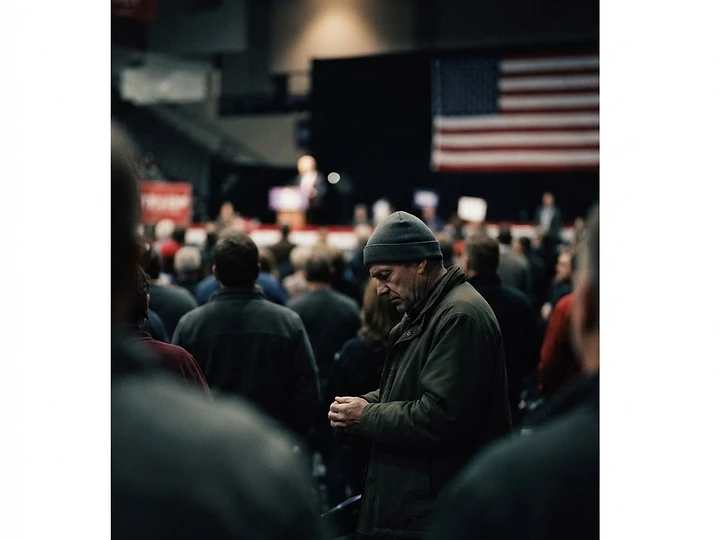
President Donald Trump has opted to scale back his in-person travel schedule in the final days before the 2026 US midterm elections, cancelling planned events in Iowa and Kansas. The Republican National Committee (RNC) confirmed the strategic pivot on Thursday, stating the party will utilize a series of 'tele-rallies' to reach voters in nearly 20 states instead. This shift comes as polling data, including reports from CNN, indicates competitive races in traditionally Republican-leaning areas, such as Kansas, where Senator Roger Marshall is currently facing a narrow margin against Democratic candidate Adam Hamilton.
The last 24 hours: a timeline
By midday Thursday, the RNC released a formal statement announcing the cancellation of the Iowa and Kansas appearances. RNC Chairman Joe Gruters characterized the move as a matter of efficiency, arguing that virtual broadcasts would reach a broader voter base than on-the-ground stops. Throughout the day, reports surfaced that the president would focus his remaining energy on a '72-hour sprint' of virtual engagements. By late Thursday, the RNC confirmed the inclusion of battleground states such as Michigan, Texas, and Alaska in the tele-rally rotation. By early Friday, analysts noted that the strategy centers on defending GOP congressional majorities, with the president explicitly urging his base to act as though he is personally on the ballot.
What could happen next
The reliance on tele-rallies marks a departure from the high-energy, in-person rally model that has defined the Republican campaign strategy thus far. Analysts note that this move could signal a reallocation of party resources toward digital and telephonic get-out-the-vote operations as election day approaches. If these virtual events fail to match the turnout density of physical rallies, the party may face increased scrutiny regarding its ability to mobilize its base in key districts. The efficacy of this strategy will be measurable through post-election voter turnout data in the targeted battleground states.
SOURCES — THE RECORD
- Trump cancels Iowa, Kansas midterm events, opts for 'tele-rallies'AL JAZEERA · aljazeera.com
- US Midterm Elections 2026 NewsAL JAZEERA · aljazeera.com
- Harvard University's ElectIt election forecasting modelAL JAZEERA · aljazeera.com