
Why this is trending right now
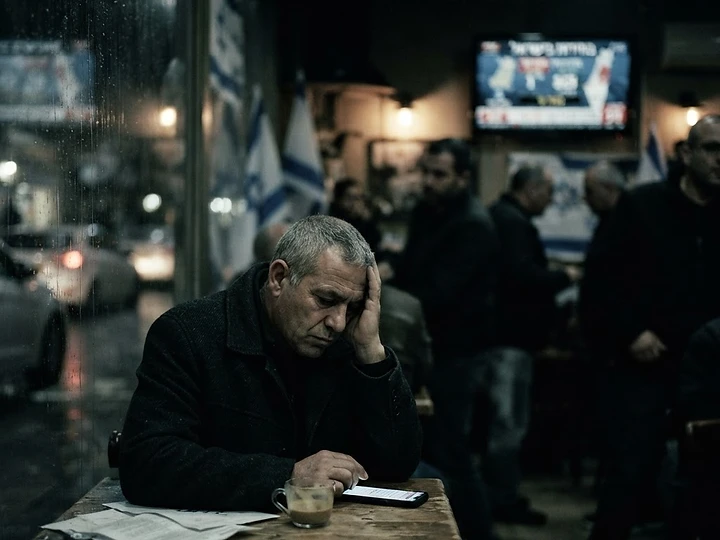
The Israeli general election has reached a critical juncture as vote counting passes the 70% threshold, revealing a fragmented political landscape. Prime Minister Benjamin Netanyahu’s Likud party currently leads with 27 seats, while the Yashar party, led by former military chief Gadi Eisenkot, follows with 22 seats. Neither candidate has achieved the 61-seat majority required to form a government in the Knesset. According to reporting by Haaretz, a potential pro-Netanyahu coalition currently commands 54 seats, while a bloc aligned with Eisenkot holds 49 seats. Palestinian parties, including the Joint List and Ra’am, have secured 17 seats, marking their strongest electoral performance to date.
The last 24 hours: a timeline
Throughout the day on October 28, 2026, election officials continued the tallying process as national attention focused on the potential for a hung parliament. By midday, reports confirmed that the Likud party maintained its lead but remained significantly short of the threshold for an outright victory. Throughout the afternoon, political analysts and media outlets, including The Hill, highlighted the lack of a clear path to power for either major contender. As the evening progressed, the focus shifted toward the complex negotiations required to form a governing coalition, with the 17 seats held by Palestinian parties emerging as a pivotal factor in the final seat distribution.
What could happen next
Given the current seat distribution, the formation of a government will likely require extensive negotiations between the major parties and smaller factions. The 54-seat pro-Netanyahu bloc and the 49-seat pro-Eisenkot bloc are both currently unable to govern without additional support. The influence of the 17 seats held by the Joint List and Ra’am suggests that these parties may play a decisive role in the coalition-building process. Future developments will depend on whether either major bloc can bridge the gap to 61 seats or if the country faces the prospect of further political instability. These inferences are based on the current seat counts provided by Haaretz and the structural requirements of the Knesset.
SOURCES — THE RECORD
- Headlines for October 28, 2026DEMOCRACY NOW! · democracynow.org
- What’s next for Israel as elections leave no clear winnerTHE HILL · thehill.com
- Wednesday’s Campaign Round-Up, 10.28.26MS NOW · ms.now