
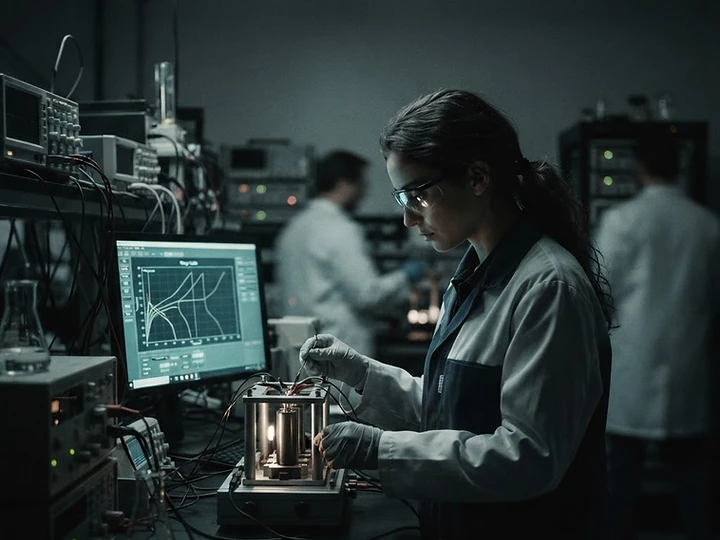
The Energy Bottleneck
For over a decade, the consumer electronics and automotive industries have been constrained by the physical limitations of graphite-anode lithium-ion batteries. As we push toward 2027, the demand for higher energy density—the ability to store more power in a smaller, lighter package—has reached a critical inflection point. Enter silicon carbon batteries, a breakthrough technology currently seeing a 9,300% surge in search interest.
Why Silicon Carbon?
Traditional batteries rely on graphite to store lithium ions. Silicon, however, has a theoretical capacity nearly ten times higher than graphite. The challenge has always been structural: silicon expands significantly during charging, leading to rapid degradation. By integrating carbon structures to buffer this expansion, engineers have finally unlocked a stable, high-capacity solution. This allows for smaller, lighter batteries that charge faster and last longer, effectively solving the 'range anxiety' that has plagued the EV market and the 'battery anxiety' of power-hungry AI-enabled smartphones.
Market Implications
This shift is not merely academic. Major manufacturers are already pivoting their supply chains to accommodate silicon-anode production. For the consumer, this means the next generation of devices will likely feature significantly thinner profiles without sacrificing battery life. For the industry, it represents a multi-billion dollar opportunity to redefine the power storage landscape.


