
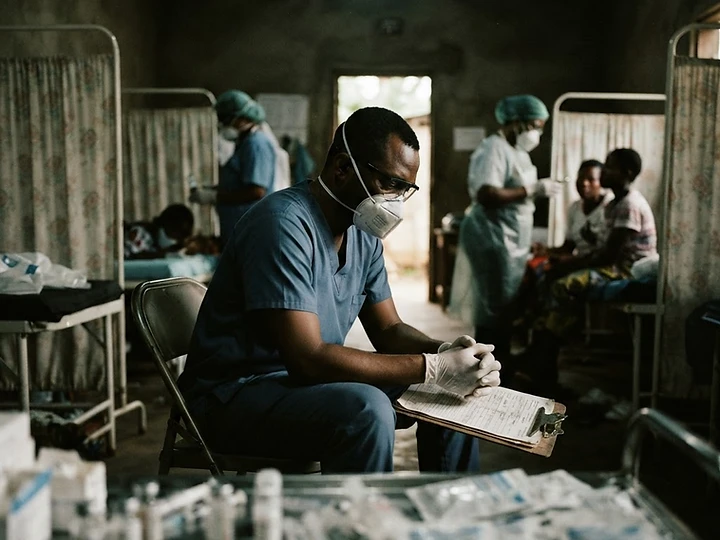
The Declaration of International Concern
On August 14, 2024, the World Health Organization (WHO) officially declared the upsurge of mpox in the Democratic Republic of the Congo (DRC) and a growing number of African nations as a Public Health Emergency of International Concern (PHEIC). This designation represents the highest level of alarm under international health law, a status previously reserved for crises such as COVID-19 and the 2022 mpox outbreak. However, the current situation is distinct and arguably more precarious.
Dr. Tedros Adhanom Ghebreyesus, WHO Director-General, emphasized that the emergence of a new clade of the virus—Clade Ib—is at the heart of this urgency. Unlike the previous global outbreak, which primarily affected networks of men who have sex with men, Clade Ib appears to be spreading through diverse modes of transmission, including household contact and heterosexual networks, while demonstrating a higher case-fatality rate. The declaration is intended to galvanize a coordinated global response, yet it simultaneously exposes the fragile state of international health cooperation in a post-pandemic world.
The Genetic Shift of Clade Ib
The biological reality of Clade Ib is the primary driver of this search trend. Epidemiologists have noted that this specific strain, which evolved in the eastern DRC, carries mutations that may enhance its human-to-human transmissibility. In regions already burdened by conflict and displacement, the virus has moved rapidly across borders into Burundi, Kenya, Rwanda, and Uganda—countries that had not previously reported mpox cases.
What makes Clade Ib particularly concerning is its impact on children and immunocompromised populations. In the DRC, over 70% of cases and a significant majority of deaths have been reported among children under 15. The clinical presentation, involving painful rashes and systemic illness, is placing an immense strain on healthcare systems that are already underfunded and under-resourced. The search for information regarding symptoms and vaccination reflects a global anxiety that this regional crisis could once again evolve into a borderless threat.
Geopolitical Barriers to Vaccine Equity
The most analytical aspect of the current trend lies in the friction between medical necessity and geopolitical logistics. While two vaccines—MVA-BN and LC16—are currently recommended by the WHO, their distribution remains starkly uneven. The African Centers for Disease Control and Prevention (Africa CDC) estimated that the continent needs 10 million doses to curb the current outbreak, yet only a fraction of that number is currently available or pledged by international partners.
This discrepancy recalls the 'vaccine nationalism' observed during the COVID-19 pandemic. The WHO is currently working through an Emergency Use Listing (EUL) process to expedite the availability of vaccines for lower-income countries, but the speed of regulatory approval must be matched by the speed of physical delivery. Without significant financial commitments from the G7 and G20 nations, the declaration of an emergency remains a symbolic gesture rather than a functional intervention.
Navigating the Stigma and Surveillance Paradox
Finally, the resurgence of mpox necessitates a sophisticated public health communication strategy. The lessons of 2022 taught us that stigma can drive outbreaks underground, preventing individuals from seeking care and hampering surveillance efforts. However, the diverse transmission routes of Clade Ib require a broader messaging approach that avoids the pitfalls of previous efforts while remaining targeted enough to reach high-risk communities.
As search volume for 'mpox symptoms' and 'mpox vaccine' spikes, health authorities must ensure that information is not only accurate but also culturally sensitive. The path forward involves a double-edged sword: increasing surveillance to map the virus’s spread while ensuring that such monitoring does not lead to the marginalization of affected regions. The global community's ability to respond to this emergency will serve as the ultimate test of the pandemic preparedness protocols established over the last four years.