
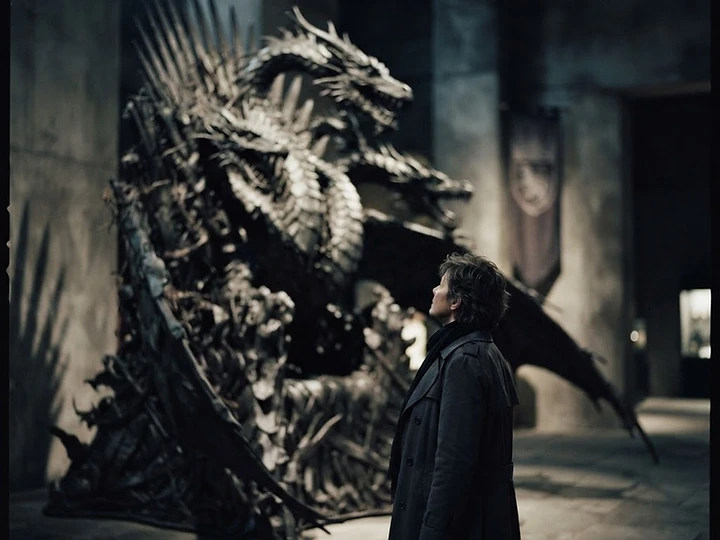
The Return to Westeros
The digital landscape has been set ablaze once again by the announcement of production timelines for the third installment of HBO’s flagship fantasy series. Search volume for 'House of the Dragon Season 3' has surged by over 75% in the last 15 hours, signaling that the public’s appetite for the Machiavellian politics of the Targaryen dynasty remains unsated. This isn't merely a trend; it is a testament to the 'event television' model that many critics thought had perished with the rise of binge-watching. In an era where content is often disposable, the deliberate, weekly rollout of Westerosi drama creates a shared cultural moment that few other properties can replicate.
The Economics of High Fantasy
Producing a show of this scale is a gargantuan financial risk. With budgets reportedly exceeding $20 million per episode, the stakes for Season 3 are higher than ever. The search data indicates that fans are not just looking for release dates; they are deep-diving into lore, casting rumors, and production leaks. This level of engagement is what justifies the massive overhead for streaming giants. By securing a dedicated fanbase that remains active even during the off-season, HBO maintains a subscription retention rate that is the envy of the industry. The 'Dragon' effect extends beyond the screen, influencing everything from publishing trends to the travel industry in filming locations like Spain and the UK.
Narrative Stakes and Fan Expectations
Season 3 faces the daunting task of escalating the 'Dance of the Dragons' without falling into the trap of spectacle over substance. The trending queries suggest a particular interest in the fate of Rhaenyra Targaryen and the introduction of new dragon riders. This highlights a shift in how audiences consume fantasy: they are no longer just passive viewers but active participants in the world-building process. The rise of 'theory culture' on platforms like Reddit and TikTok, fueled by Google searches for obscure book details, has turned every episode into a forensic investigation. The writers are now in a dialogue with a global audience that knows the source material as well as they do.
The Streaming Wars' Last Stand
As competitors like Netflix and Amazon Prime Video pivot toward lower-cost reality TV and procedural dramas, the persistence of House of the Dragon represents a stand for the prestige drama. It is a reminder that while algorithms can predict what we might like, they cannot easily manufacture the visceral, emotional connection of a well-crafted epic. The search trajectory for this topic shows a sustained interest that defies the typical 'spike and fade' pattern of viral news. As we look toward the premiere, the data suggests that the cultural footprint of Westeros is not just surviving; it is expanding, proving that in the battle for our attention, dragons still hold the high ground.


