

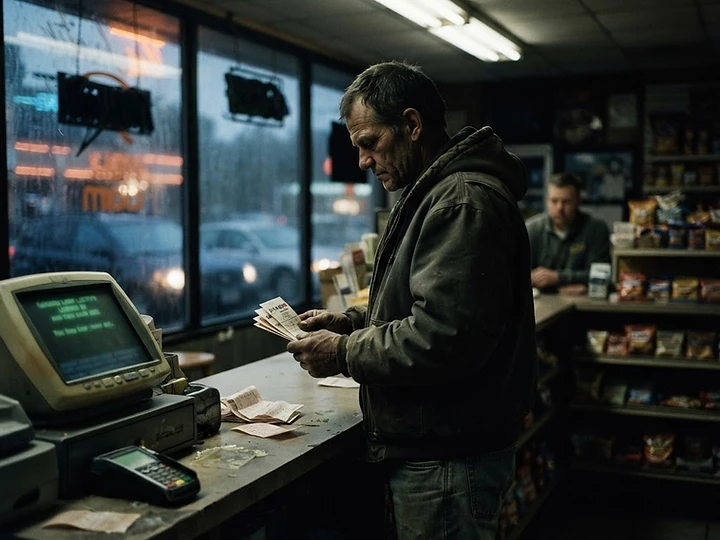
The Anatomy of a Jackpot
In the landscape of modern American culture, few phenomena command the collective attention of the nation quite like the Powerball jackpot. When the prize pool crosses the threshold into the hundreds of millions, it ceases to be a mere lottery and transforms into a national event. The current surge in search volume reflects a familiar cycle: the intersection of economic anxiety and the human desire for a 'clean slate.'
The Psychology of Hope
Why do we play when the odds are mathematically insurmountable? Behavioral economists suggest that the purchase of a lottery ticket is not an investment in financial security, but an investment in a fantasy. For the price of a few dollars, the player buys the right to dream for a few days. In an era of stagnant wages and rising costs of living, the Powerball offers a rare, albeit statistically negligible, exit ramp from the grind of daily life.
The Social Fabric of Gambling
Beyond the individual, the lottery serves as a communal ritual. Office pools and family syndicates turn the act of gambling into a social bonding experience. It is a shared language of 'what if.' However, this enthusiasm often masks the regressive nature of lottery taxation, which disproportionately impacts lower-income households. As we watch the numbers climb, it is worth considering what this obsession says about our collective aspirations and our systemic failures to provide more reliable paths to prosperity.