
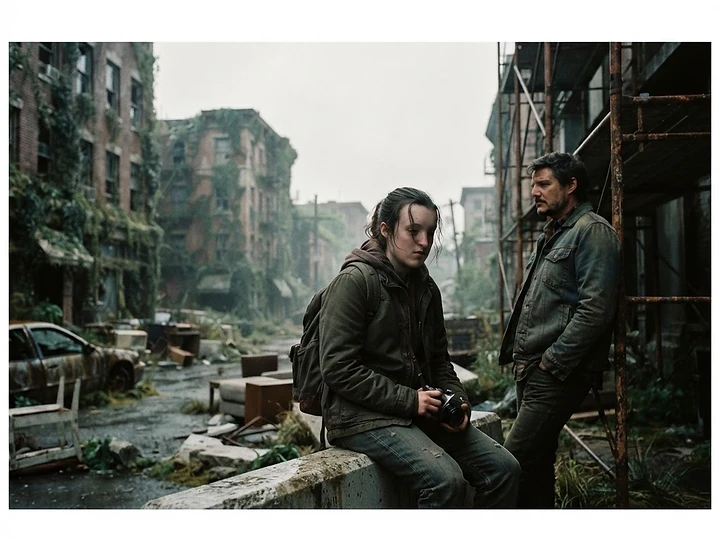
When television executives first recognized the untapped wealth inside narrative video games, the objective seemed straightforward: elevate cinematic source material into award-winning appointment viewing. Yet as production cycles swell, budgets spiral, and adaptation architectures evolve from straightforward survival tales into sprawling multi-season examinations of cycle-of-violence retribution, the medium is entering uncharted and treacherous territory.
The Gravity of Part Two
Translating interactive storytelling into passive serial drama remains an uneasy exercise. In games, players are complicit; every bullet spent and blow landed carries personal culpability. When adapted to screen, the viewer shifts from a participatory agent to an observer of visceral grief. Showrunners Craig Mazin and Neil Druckmann demonstrated remarkable poise in their debut outing, turning cordyceps infected horrors into a meditation on surrogate parenthood. But shifting focus toward complex factional war, revenge odysseys, and divisive new antagonists introduces structural hurdles that few prestige dramas have survived unscathed.
Key to this transition is the arrival of pivotal figures like Abby, portrayed by Kaitlyn Dever, whose introduction alters the entire moral equilibrium of the universe. The creative decision to divide sprawling narratives across multiple upcoming seasons reflects an industry reality: modern prestige seasons are becoming massive cinematic undertakings that require years of grueling post-production and meticulous prosthetics, testing the patience of mainstream audiences accustomed to consistent release cadences.
The Specter of Finite Arcs
Unlike traditional procedural television or comic-book cinematic universes built for perpetual motion, contemporary gaming prestige operates on strictly finite character arcs. The looming specter of series conclusions after three or four installments highlights an emerging tension between network demands for long-tail IP exploitation and the disciplined narrative restraint required to preserve creative integrity.
Rumors and industry assessments swirling around multi-season adaptation roadmaps underscore how difficult it is to sustain apocalyptic despair across half a decade. When every hour of television demands blockbuster visual effects, frostbitten infected prosthetics, and intricate practical action sequences, the risk of narrative exhaustion grows exponentially. Audiences are no longer dazzled simply by the visual fidelity of a game brought to life; they demand justification for the protracted trauma.
The New Benchmark for Interactive Adaptation
Hollywood's obsession with gaming IP has created a landscape where high-profile adaptations can no longer rely purely on nostalgia or fan service. With projects across the streaming landscape vying to capture similar critical acclaim, the stakes have fundamentally transformed. The coming wave of adaptations will determine whether gaming narratives can maintain cultural resonance beyond their initial novelty, or whether the sheer weight of expanding these tragic sagas will accelerate audience fatigue in an already crowded prestige ecosystem.


