
The Night the Sirens Didn't Stop
On the evening of August 10, 2026, residents across southeastern Ohio were thrust into a state of emergency as a series of coordinated National Weather Service alerts signaled an imminent threat. The 'tornado warning ohio' search query spiked instantly as thousands sought real-time updates on a storm system that defied traditional seasonal expectations. As reported by Why Is This Trending?, this wasn't just a localized event; it was a demonstration of the increasing volatility of the Midwestern atmosphere, where warm, moist air from the Gulf is meeting cooler northern fronts with unprecedented frequency.
The Eastward Migration of Tornado Alley
For decades, 'Tornado Alley' was a term reserved for the Great Plains. However, recent meteorological data suggests a distinct eastward shift in tornadic activity. Ohio, once considered the periphery of major storm tracks, is now finding itself in the crosshairs. This shift is attributed to changing jet stream patterns and rising global temperatures, which provide the energy necessary for supercell development further east than previously recorded. The recent Ohio cluster is a stark reminder that geographic risk profiles are being rewritten in real-time, requiring a fundamental rethink of regional preparedness.
Infrastructure Under Pressure
One of the most concerning aspects of the recent warnings was the accompanying flood watch. In many parts of Ohio and West Virginia, the ground was already saturated from a week of heavy rainfall. When a tornado-producing cell moves through such an environment, the risk is doubled: wind damage is compounded by flash flooding that can wash out roads and impede emergency responders. Our current infrastructure, designed for the climate of the 20th century, is struggling to keep pace with these 'compound events' where multiple disasters strike simultaneously. The power grid, in particular, remains vulnerable to the high-wind shear associated with these systems.
The Role of Citizen Science in Storm Tracking
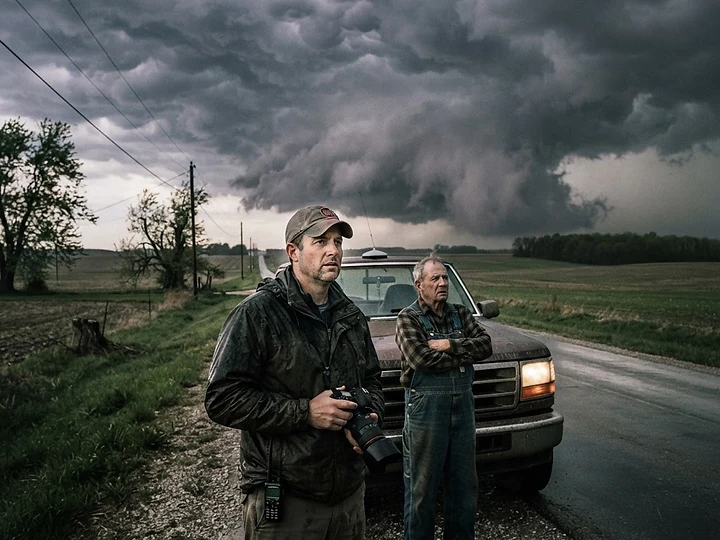
In the absence of perfect radar coverage in rural areas, citizen science has become a vital tool. During the recent alerts, social media was flooded with real-time reports from storm spotters, providing ground-truth data that helped the NWS refine its warnings. As these events become more common, the focus must shift from reactive emergency management to proactive climate adaptation. This includes hardening the power grid, improving early warning dissemination through AI-driven localized alerts, and rethinking urban planning to account for a future where the sirens may never truly fall silent.


