
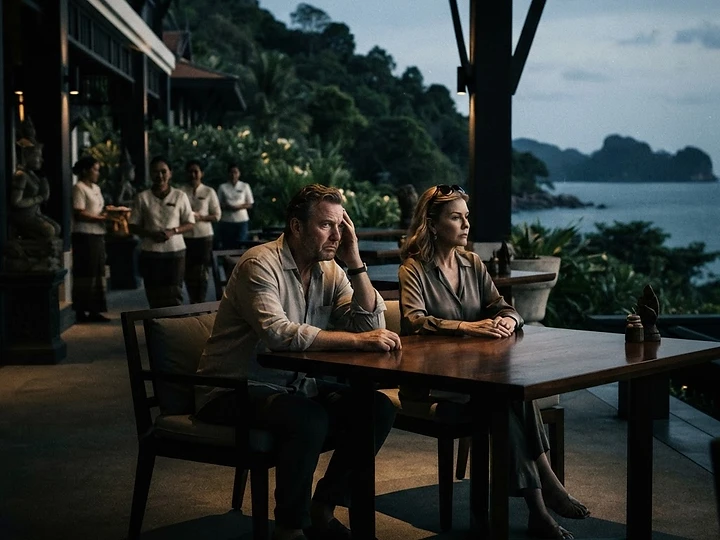
The New Geography of Prestige TV
For decades, the travel industry relied on glossy magazines and celebrity endorsements to drive tourism. Today, the most effective marketing tool is a satirical HBO anthology series. The third season of The White Lotus, set against the lush, sun-drenched backdrop of Thailand, has done more than just captivate audiences with its biting social commentary; it has fundamentally altered the travel landscape of Southeast Asia. By weaving the country’s most luxurious resorts into the fabric of its narrative, the show has turned Koh Samui and Phuket into the most sought-after destinations of the year.
The Architecture of Desire
Creator Mike White has mastered the art of using 'paradise' as a foil for human misery. By placing his cast of 'unbearable millionaires' in the pristine, lotus-filled lagoons of the Anantara Mai Khao Phuket Villas or the dramatic, palm-shaded driveways of the Anantara Bophut Koh Samui Resort, he creates a visual dissonance that viewers find irresistible. These locations are not merely sets; they are characters in their own right. The show’s reliance on a 'cinematic blend' of properties—piecing together different resorts to form one fictional White Lotus—has created a scavenger hunt for fans, who are now booking stays specifically to recreate scenes from the show, from the wellness pavilions where Natasha Rothwell’s Belinda leads breathwork to the Singing Bird Lounge where the season’s most tense conversations unfold.
Economic Ripples and the 'White Lotus Effect'
The impact is quantifiable. Recent data indicates that online interest in Koh Samui spiked by 88% following the season's debut, with hotel reservations in the region climbing by 44%. This phenomenon, dubbed the 'White Lotus Effect,' is a testament to the power of immersive storytelling. Tourism officials in Thailand have been quick to capitalize on this, viewing the series as a long-form advertisement that showcases the country’s cultural depth, from its neon-lit Bangkok streets to its serene Buddhist temples. Unlike traditional commercials, the show embeds the destination into the viewer's psyche through hours of narrative tension and aesthetic beauty.
Beyond the Screen
As the series shifts its focus toward the French Riviera for its upcoming fourth season, the industry is already bracing for the next wave of location-based tourism. However, the Thai chapter remains a unique case study in how film tourism can revitalize local economies. By highlighting not just the luxury resorts, but also the local excursions—like Muay Thai matches in Phuket or the vibrant night markets of Bophut—the show has encouraged a more nuanced exploration of the country. For the traveler, the allure is clear: they want to experience the beauty that Mike White captures, even if they hope to avoid the existential dread that plagues his characters. The White Lotus has proven that in the modern era, the most powerful travel destination is the one that feels like a story you’ve already lived.


