
Why this is trending right now
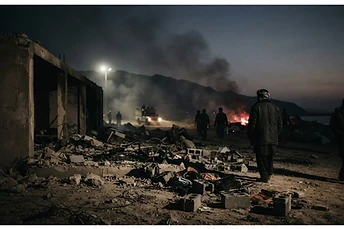
The United States has executed limited military strikes against Iran’s Qeshm Island, an action that has triggered a notable increase in global oil prices. According to reporting from CNBC, these strikes are part of a broader, quiet military campaign that Washington has been conducting in recent weeks. The objective of these operations is to exert pressure on Tehran while avoiding the appearance of a major combat escalation, as noted by unnamed officials cited in The Wall Street Journal.
The last 24 hours: a timeline
By the morning of November 3, 2026, reports confirmed that the U.S. military had targeted infrastructure on Qeshm Island. Throughout the preceding 24 hours, market analysts observed a direct correlation between the news of the strikes and a climb in oil prices. The military activity follows a period of heightened rhetoric, including statements from former President Donald Trump on November 1 regarding the island's strategic vulnerability. The administration has maintained a low profile regarding the specific tactical goals of these strikes to prevent regional instability from spiraling into a broader conflict.
What could happen next
Future developments depend on the Iranian response to the strikes on Qeshm Island. If Tehran perceives these actions as a significant breach of sovereignty, the risk of a retaliatory strike against regional shipping lanes or energy infrastructure increases. Analysts are monitoring the situation for signs of a 'negotiated settlement,' a prospect mentioned by Vice President Vance as a potential path forward. The current trajectory suggests that the U.S. will continue to utilize limited, targeted strikes rather than a full-scale invasion, provided that the Iranian response remains within the bounds of current regional skirmishes.
SOURCES — THE RECORD
- U.S. reportedly strikes Iran's Qeshm Island as Vance seeksCNBC · cnbc.com
- Latest News - CNBCCNBC · cnbc.com
- AI - Artificial IntelligenceCNBC · cnbc.com