
Why this is trending right now
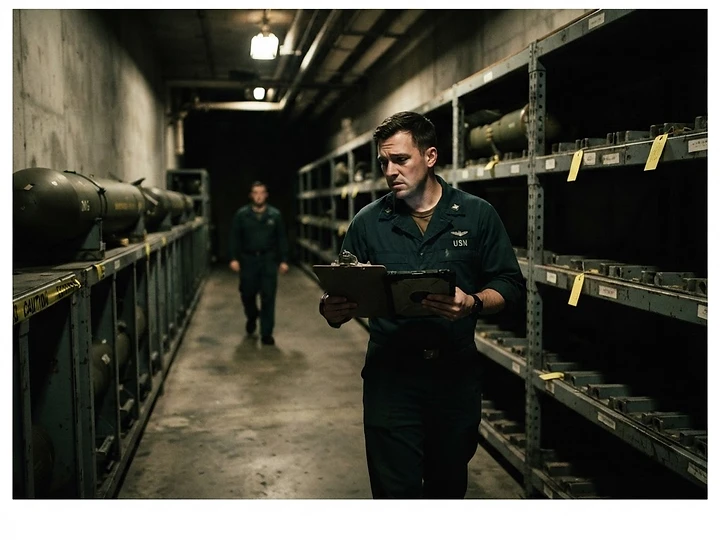
Search interest around defense inventory constraints surged following disclosures that the United States military faces severe shortages of advanced defensive missiles. Reporting published by the Los Angeles Times indicates that high expenditure rates in active conflict zones across the Middle East and Eastern Europe have sharply drained frontline stockpiles. The inventory shortfall directly affects critical munitions, including Standard Missile-3 and Patriot interceptors, raising urgent national security concerns regarding domestic industrial production bandwidth. Replacing these depleted reserves will require several years due to aerospace supply chain bottlenecks and extended component lead times.
The last 24 hours: a timeline
Early in the reporting cycle, investigative findings from national security correspondents detailed that procurement schedules cannot keep pace with recent tactical consumption. Specialized components, including solid-rocket motors and advanced radar seekers, face manufacturing backlogs extending beyond 24 months.
By midday, defense policy analysts and congressional committees circulated briefings assessing the readiness implications for Indo-Pacific deterrent postures. Legislative aides confirmed that upcoming supplemental appropriations packages will mandate expedited production authorities under the Defense Production Act.
Within hours, defense contractor representatives addressed the constraints during industry panels, acknowledging that Tier-2 and Tier-3 suppliers require capital infusions before production lines can double monthly output runs. Public searches accelerated as national news outlets amplified the operational risks confronting carrier strike groups and overseas air defense batteries.
What could happen next
Congressional defense committees are expected to draft targeted emergency funding measures aimed directly at sub-tier aerospace suppliers. Known manufacturing data confirms that producing high-end interceptors requires 18 to 36 months from component order to delivery, indicating that total stockpile recovery will not occur quickly.
Inferred from recent Pentagon procurement patterns, the Department of Defense will likely award multi-year procurement contracts to stabilize prime contractor order books. The Pentagon may also negotiate co-production agreements with allied defense consortiums in Japan and Europe to build auxiliary assembly lines. Until new capacity comes online, operational commanders must ration precision defensive munitions during routine deployments.
SOURCES — THE RECORD
- World & Nation News: Breaking Stories, Politics & Global EventsLOS ANGELES TIMES · latimes.com
- Latest Breaking News VideosFOX NEWS · foxnews.com
- Top Trending TopicsEXPLODING TOPICS · explodingtopics.com