
Why this is trending right now
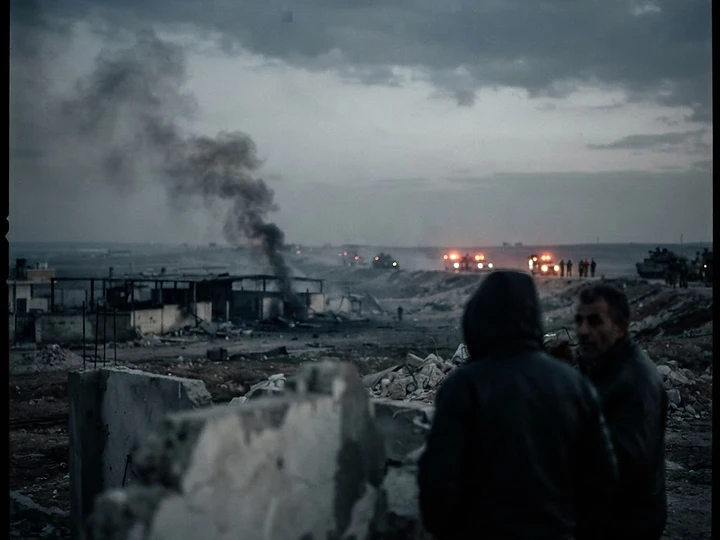
The United States and Iran have engaged in a series of direct military strikes this week, ending a period of tenuous ceasefire that had held for several months. According to reporting from NPR, these actions follow multiple rounds of failed diplomatic negotiations aimed at de-escalating tensions between the two nations. The exchange represents a shift from proxy-based conflicts to direct military engagement, drawing significant international attention and concern regarding regional stability.
The last 24 hours: a timeline
Early in the week, reports confirmed that military assets from both nations were involved in targeted strikes. By midday Wednesday, September 4, 2026, analysts confirmed that the diplomatic channels previously used to maintain the ceasefire had effectively collapsed. Throughout the last 24 hours, military officials from both sides have issued statements confirming the engagement, though specific casualty figures and the extent of infrastructure damage remain under assessment by intelligence agencies. The situation remains fluid as both governments evaluate their next strategic moves.
What could happen next
Future developments depend on the threshold of retaliation established by both Tehran and Washington. Based on the current trajectory, further military posturing is likely as both sides seek to demonstrate resolve without triggering a full-scale war. Analysts suggest that the primary focus will shift toward whether third-party mediators can re-establish a communication line to prevent further escalation. The inference that this conflict will remain contained is based on the historical pattern of limited strikes, though the breakdown of recent negotiations increases the risk of miscalculation.
SOURCES — THE RECORD
- The News Roundup For September 4, 2026NPR · npr.org
- Portal:Current events/September 2026WIKIPEDIA · en.wikipedia.org
- CNN: Breaking News, Latest News and VideosCNN · cnn.com