

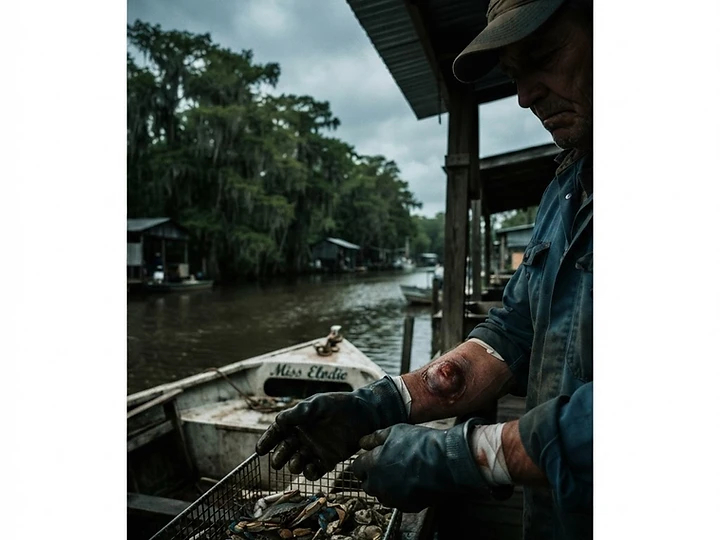
The Coastal Danger
Recent reports from Louisiana have highlighted a concerning surge in Vibrio vulnificus infections. This naturally occurring bacterium, often found in warm coastal waters, has become a focal point for public health authorities as search interest spikes across the region. The bacteria, which can cause severe skin infections or life-threatening bloodstream illnesses, thrives in the brackish environments common to the Gulf Coast.
Clinical Implications
Medical experts emphasize that while most people who encounter the bacteria may experience mild symptoms, those with compromised immune systems or underlying liver conditions are at significantly higher risk. The rapid onset of symptoms—often including fever, chills, and blistering skin lesions—requires immediate medical intervention. The current outbreak serves as a stark reminder of the intersection between environmental conditions and public health safety.
Preventive Measures
Health departments are advising residents to avoid exposing open wounds to salt or brackish water and to ensure that shellfish, particularly oysters, are thoroughly cooked before consumption. As climate patterns continue to shift, the prevalence of such pathogens in warmer waters remains a critical area of study for epidemiologists and environmental scientists alike.


