
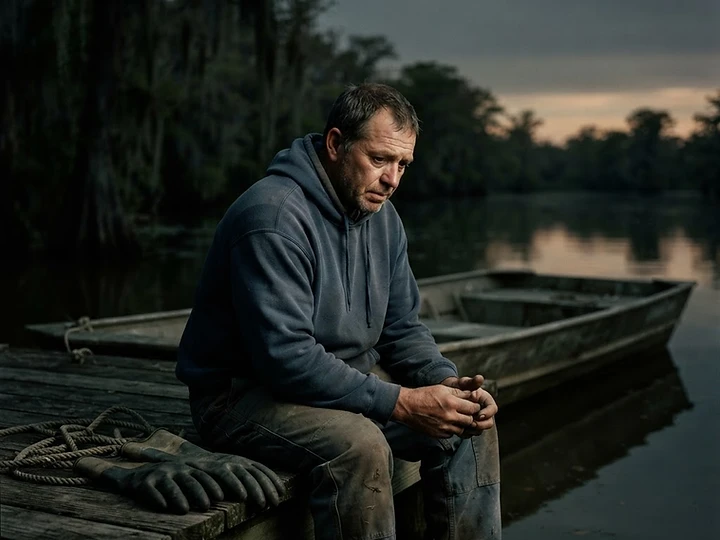
A Coastal Crisis
The recent surge in Vibrio vulnificus cases across Louisiana has sent shockwaves through the Gulf Coast. Often referred to as a 'flesh-eating' bacteria, this naturally occurring pathogen thrives in warm, brackish waters, making the current summer heat a perfect catalyst for its proliferation. Public health departments are now scrambling to contain the spread as hospitalizations climb.
The Science of Exposure
Unlike common foodborne illnesses, Vibrio vulnificus poses a dual threat: ingestion through contaminated shellfish and infection through open wounds exposed to seawater. For those with compromised immune systems or liver conditions, the consequences can be severe, leading to rapid tissue necrosis and systemic sepsis. Medical experts emphasize that while the bacteria is endemic to the region, the current environmental conditions have created an unusually high concentration, necessitating stricter adherence to safety protocols.
Public Health Response
State authorities have issued advisories for recreational swimmers and commercial fishermen alike. The focus remains on education—ensuring that residents understand the risks of entering coastal waters with even minor skin abrasions. As the state navigates this outbreak, the intersection of climate-driven water temperature increases and public safety has become a central point of policy debate.


