
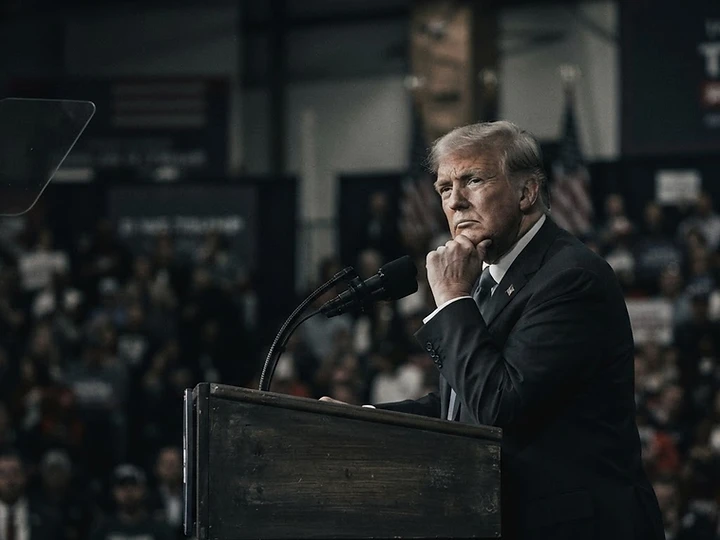
The Shifting Energy Narrative
In a move that has sent ripples through both the energy sector and the political establishment, Donald Trump has recently intensified his public criticism of major oil companies. This pivot, while seemingly contradictory to his historical support for fossil fuel deregulation, signals a strategic shift in how the former president is framing his economic platform for the upcoming cycle. By positioning himself as a populist watchdog against 'corporate greed' in the energy sector, Trump is attempting to bridge the gap between traditional conservative energy policy and the economic anxieties of the working-class voter.
Market Reactions and Corporate Strategy
Major players like ExxonMobil and Chevron have found themselves in the crosshairs of this rhetoric. Analysts suggest that while the immediate market impact remains muted, the long-term implications for capital expenditure and regulatory compliance are significant. If the political discourse continues to frame oil companies as adversaries to the consumer, we may see a shift in how these firms communicate their value proposition to the public. The tension between record-breaking profits and the rising cost of living at the pump remains a potent political weapon.
The Broader Economic Context
This trend is not merely about oil; it is about the broader narrative of inflation and corporate accountability. As voters continue to grapple with the cost of energy, the political appetite for aggressive rhetoric against energy giants is likely to grow. Whether this leads to tangible policy changes or remains a campaign-trail tactic, the discourse marks a notable evolution in the Republican party's relationship with the energy industry.


