Why this is trending right now
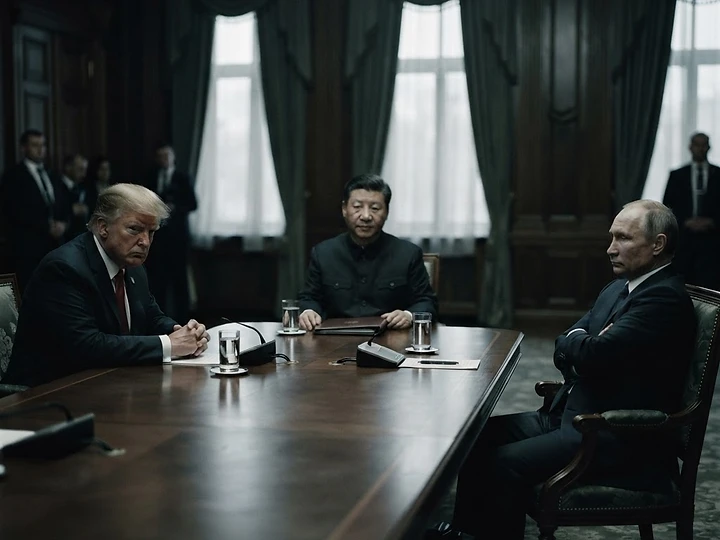
The summit in Shenzhen, China, marked the first time the leaders of the United States, China, and Russia met in a trilateral format. The meeting was intended to address global security concerns, including the war in Ukraine and nuclear proliferation, but concluded without a substantive agreement, according to reporting from The New York Times and The Guardian.
The last 24 hours: a timeline
Early on November 19, the three leaders concluded their formal discussions in Shenzhen. By midday, reports emerged that the meeting had produced a "peace declaration" that lacked specific enforcement mechanisms or policy commitments. Within hours of the conclusion, President Vladimir Putin stated that Russia would not negotiate a cease-fire with Ukraine, effectively signaling that the summit failed to alter the trajectory of the conflict. By the evening of November 19, President Trump had departed China, with official statements from all three parties referring to the discussions in vague terms.
What could happen next
The lack of a clear breakthrough suggests that the trilateral format may remain largely symbolic. Based on President Putin's post-summit comments, the conflict in Ukraine is unlikely to see a diplomatic resolution in the immediate term. Analysts will likely focus on whether the "peace declaration" serves as a framework for future lower-level diplomatic engagement or if it will be abandoned as the geopolitical tensions between the three nations persist. The inference that the summit was primarily for domestic political posturing is supported by the absence of any joint communique detailing specific actions on nuclear weapons or regional wars.
SOURCES — THE RECORD
- Trump, Xi and Putin Seek to Project Power at Their First SummitTHE NEW YORK TIMES · nytimes.com
- Apec summit: Trump, Xi and Putin make ‘peace declaration’ but talks end without clear breakthroughTHE GUARDIAN · theguardian.com
- Live Updates: Trump Departs China After First-Ever Summit With Xi and PutinTHE NEW YORK TIMES · nytimes.com