Why this is trending right now
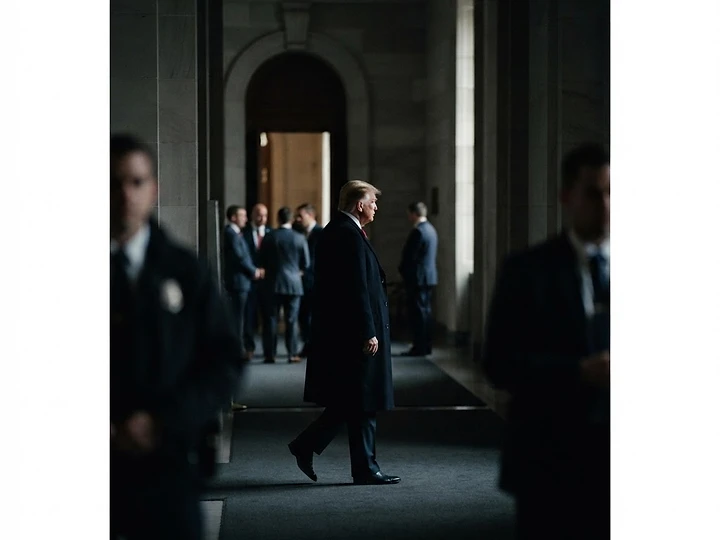
President Donald Trump signed an executive order on Friday to pause a sweeping sanctions package targeting the Russian economy. The move occurred just two days before the statutory deadline for the law's implementation. The White House stated the delay is in the "national interests of the United States," though the administration has not provided specific details regarding the rationale for the waiver.
The last 24 hours: a timeline
Following the Friday signing of the executive order, political reaction was immediate. By Saturday, Senate Minority Leader Chuck Schumer publicly condemned the decision, characterizing it as a concession to Vladimir Putin. Throughout Sunday, the backlash expanded to include prominent congressional Republicans and former Vice President Mike Pence, who urged the president to reconsider the policy. By Sunday afternoon, President Trump utilized his social media platform to defend the decision, arguing that implementing the sanctions would jeopardize ongoing negotiations and drive the Russian government away from the bargaining table.
What could happen next
The administration's decision to waive sanctions is likely to face continued scrutiny from both sides of the aisle. Given the public opposition from senior Republicans, legislative efforts to override the executive order or force implementation through new measures may emerge. Furthermore, the upcoming midterm elections provide a platform for Democratic candidates to frame this policy as a failure of national security. If a Democratic majority is secured in Congress, the legislative branch is expected to launch formal investigations into the administration's relationship with the Kremlin and the influence of Russian actors on U.S. policy, based on the stated intent of opposition leadership.
SOURCES — THE RECORD