
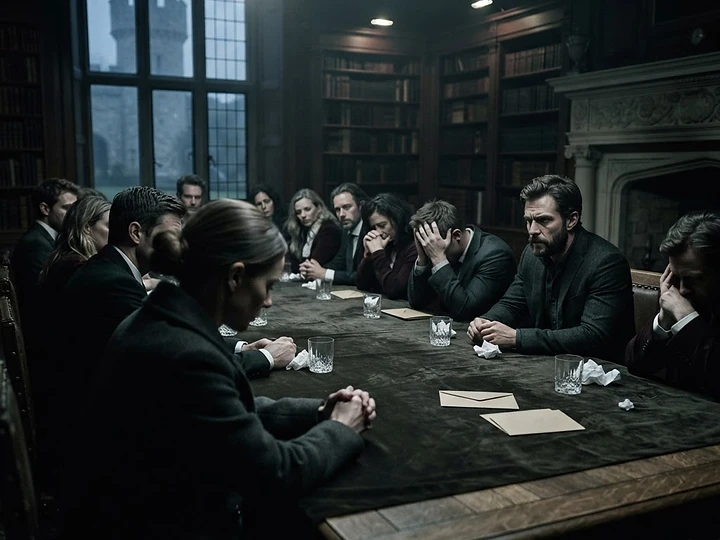
The Rise of the Manor Mentality
In the landscape of contemporary reality television, few formats have achieved the rapid, global saturation of The Traitors. What began as a niche psychological experiment has evolved into a juggernaut of entertainment, blending the high-stakes strategy of Survivor with the social dynamics of The Real Housewives. As the franchise prepares for its sixth season in the United States and continues to captivate audiences in the UK and beyond, it is clear that the 'Manor' has become the new epicenter of cultural discourse.
The Celebrity Casting Strategy
The secret to the show's enduring heat lies in its masterful casting. By pulling 'heavyweights' from established reality ecosystems—such as Cynthia Bailey and Gizelle Bryant from the Real Housewives franchise—producers have created a volatile environment where pre-existing alliances and rivalries are tested under the pressure of the game. This isn't just a competition; it is a collision of brand identities. When stars like Jerry Hall or Bella Ramsey enter the castle, they bring with them a built-in audience, but they also bring the baggage of their public personas, which the game forces them to either weaponize or discard.
The Psychology of Deception
At its core, The Traitors succeeds because it taps into the universal human fascination with lying and detection. Unlike traditional reality shows that focus on romance or physical endurance, this format demands a high level of emotional intelligence and social manipulation. The 'Faithful vs. Traitor' dynamic mirrors real-world social structures, making the roundtable banishments feel like high-stakes political theater. Viewers are not just watching a game; they are analyzing the micro-expressions and rhetorical strategies of the contestants, turning every episode into a collective exercise in armchair psychology.
A Global Phenomenon
The franchise's ability to adapt across borders—from the UK's record-breaking viewership to the Australian and Canadian iterations—proves that the format is culturally agnostic. Whether it is the dry wit of a British comedian or the strategic aggression of an American reality veteran, the game remains the same: trust no one. As we look toward 2027, the expansion of the Celebrity Traitors brand suggests that the appetite for this specific brand of 'gaslight-gatekeep-girlboss' television is far from sated. The show has successfully turned the act of betrayal into a spectator sport, ensuring its place at the top of the cultural hierarchy for years to come.


