Why this is trending right now
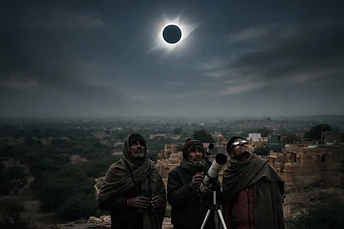
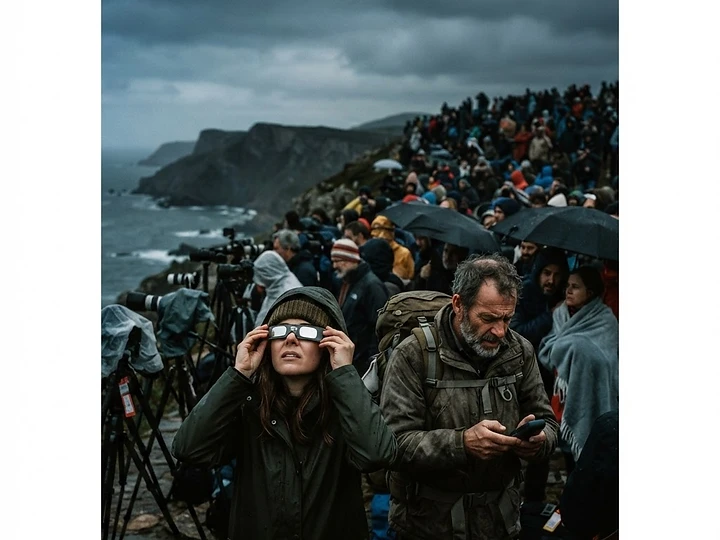
The total solar eclipse of August 12, 2026, is trending as the global scientific community and 'eclipse chasers' finalize preparations for the first total eclipse visible in continental Europe since 1999. Search volume has increased by 250% as travelers seek optimal viewing locations in the path of totality, which includes Greenland, Iceland, and northern Spain. NASA has released updated safety guidelines and path coordinates, further driving technical searches for timing and duration.
The last 24 hours: a timeline
Early yesterday, the Spanish Ministry of Tourism reported a 40% increase in hotel bookings for the week of August 12 in the regions of Galicia and Aragon. By midday, Space.com published a comprehensive guide on the best equipment for photographing the corona during totality. Within the last 12 hours, search interest in Iceland's weather patterns for August has spiked, as the country offers one of the most dramatic backdrops for the event. National Geographic also released a feature on the 'Great European Eclipse,' contributing to the educational search volume.
What could happen next
As the date approaches, local authorities in the path of totality are expected to issue traffic management plans to handle the influx of visitors. Scientific organizations will likely deploy mobile observatories to the path to conduct atmospheric research. Based on the 2024 North American eclipse data, a significant economic impact is projected for the host regions, particularly in rural Spain. Post-event, search volume will likely shift toward user-generated photography and scientific findings regarding solar activity during the eclipse.
SOURCES — THE RECORD
- Total Solar Eclipse 2026: Path and TimingNASA · science.nasa.gov
- How to prepare for the 2026 European EclipseSPACE.COM · space.com
- Tourism Surge in Spain for 2026 EclipseNATIONAL GEOGRAPHIC · nationalgeographic.com