
Why this is trending right now
Prime Minister Rishi Sunak officially announced a United Kingdom general election for July 4, 2024, during a statement delivered outside 10 Downing Street on the afternoon of May 22. According to the Institute for Government, the Prime Minister requested the dissolution of Parliament from King Charles III, effectively ending his mandate and initiating a six-week campaign period. This decision follows the release of Office for National Statistics data showing inflation fell to 2.3% in April, the lowest level in nearly three years, which the Conservative government is positioning as evidence that its economic plan is functioning. The timing is regarded by analysts as a strategic gamble to capitalize on improved economic indicators before potential autumn volatility. The opposition Labour Party, led by Keir Starmer, immediately responded by framing the election as a choice between further Conservative governance and a period of "change."
The last 24 hours: a timeline
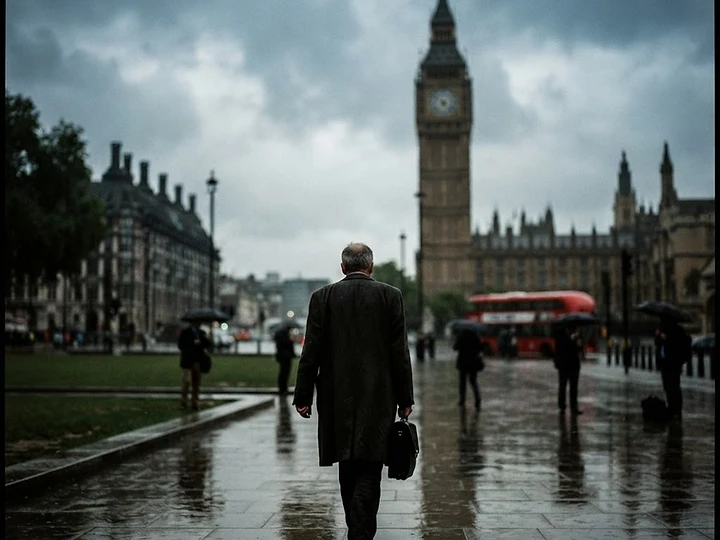
Speculation intensified early on May 22 when senior Cabinet ministers, including Foreign Secretary David Cameron and Defense Secretary Grant Shapps, abruptly canceled or curtailed scheduled appearances to attend an unscheduled 4:00 PM BST Cabinet meeting. During Prime Minister’s Questions at midday, Sunak repeatedly refused to rule out a summer election when challenged by SNP leader Stephen Flynn. By 5:00 PM BST, Sunak appeared in heavy rain outside Downing Street to deliver the formal announcement, citing the need for the country to choose its future path amidst global instability. Within two hours of the announcement, the Labour Party released its first campaign video, and the Liberal Democrats signaled they would focus their efforts on the "Blue Wall" constituencies in Southern England. By 8:00 PM BST, the Conservative Party confirmed that Parliament would be prorogued on May 24, with formal dissolution set for May 30.
What could happen next
The immediate focus shifts to the "wash-up" period between May 23 and May 24, where the government and opposition must negotiate which remaining pieces of legislation will be fast-tracked before Parliament dissolves. Sources at The Guardian indicate that high-profile bills, such as the Renters (Reform) Bill and the Tobacco and Vapes Bill, are at risk of being discarded if consensus is not reached. Based on current polling data from YouGov and Ipsos, which show Labour holding a consistent lead of approximately 20 points, the Conservative campaign is expected to focus heavily on defense spending and security, while Labour will likely prioritize the National Health Service and cost-of-living concerns. Official candidate nominations will close on June 7, providing a definitive list of the 650 contests. Economic analysts will monitor whether the campaign announcement impacts the Bank of England’s upcoming interest rate decision, as the central bank typically avoids major policy shifts during active election cycles to maintain political neutrality.
SOURCES — THE RECORD
- Rishi Sunak calls surprise general election for 4 JulyTHE GUARDIAN · theguardian.com
- General Election 2024: What happens now?INSTITUTE FOR GOVERNMENT · instituteforgovernment.org.uk
- UK general election: 4 July date announced by Rishi SunakBBC NEWS · bbc.com


