
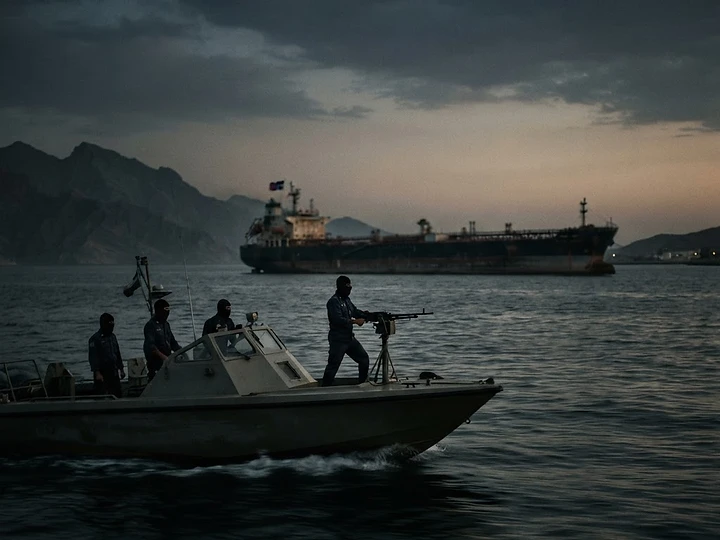
Why this is trending right now
The ongoing crisis in the Strait of Hormuz has reached a critical juncture, with regional oil exports surging to war-time highs. This spike in market activity is directly linked to the heightened geopolitical friction between the United States and Iran, which has prompted international concern regarding global energy security. The situation is currently being monitored by global mediators as both nations engage in separate, indirect talks to prevent further escalation.
The last 24 hours: a timeline
Early in the day, reports confirmed that oil exports from the Mideast region hit record levels, reflecting market anxiety over potential supply disruptions. By midday UTC, diplomatic channels were active as U.S. and Iranian officials participated in separate mediator-led discussions. Throughout the afternoon, market analysts observed significant volatility in crude oil pricing, directly correlated to the news of these ongoing, indirect negotiations. By evening, the situation remained fluid, with no formal breakthrough reported by either side.
What could happen next
Future developments depend heavily on the outcome of the indirect mediator talks. If these discussions fail to stabilize the region, analysts anticipate continued upward pressure on global oil prices. The primary risk remains a potential closure or significant restriction of the Strait of Hormuz, a vital maritime chokepoint. Any further military posturing by either party will likely exacerbate market volatility. These inferences are based on current trade data and the historical correlation between Mideast geopolitical instability and energy market fluctuations.
SOURCES — THE RECORD
- U.S., Iran hold separate mediator talks as Mideast oil exports hit war-time highCNBC · cnbc.com
- Portal:Current eventsWIKIPEDIA · en.wikipedia.org
- Crude Oil Prices Today and Oil Market NewsCNBC · cnbc.com