
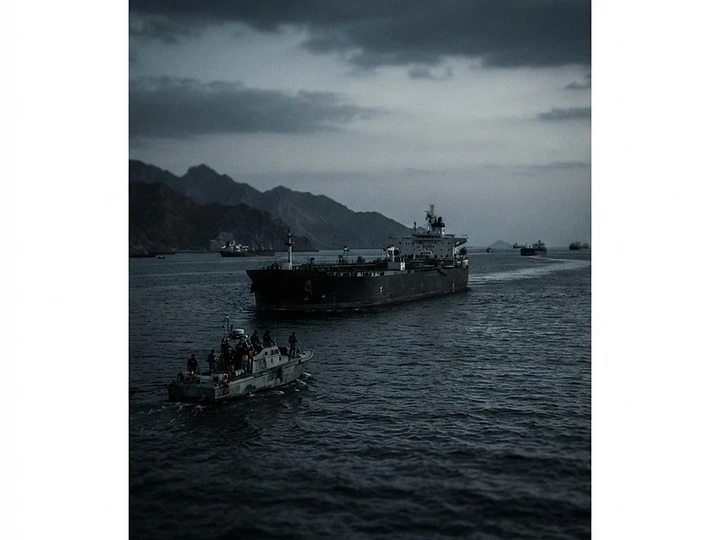
Why this is trending right now
The surge in search interest regarding the Strait of Hormuz is driven by reports of a blockade and escalating tensions between the United States and Iran. According to CNBC TV18, Donald Trump has claimed the United States maintains 'total control' over the waterway, vowing to retain this position while asserting that Iran lacks the financial resources to challenge the status quo. This development has triggered widespread concern regarding global energy supply chains and maritime security.
The last 24 hours: a timeline
Early in the day on August 13, 2026, reports surfaced detailing the blockade of the Strait of Hormuz, a critical chokepoint for global oil transit. By midday UTC, international markets began reacting to the potential for supply disruptions. Later in the day, statements from political figures, including Donald Trump, were widely circulated, emphasizing U.S. military dominance in the region. By the evening of August 13, the situation was identified as a primary driver of global security and energy market volatility, as noted by Trustur News.
What could happen next
Future developments depend on the stability of the blockade and the response of international stakeholders. If the U.S. maintains its stated 'total control,' energy prices may stabilize, though the risk of localized conflict remains high. Analysts infer that any prolonged disruption to the Strait will necessitate a shift in global energy logistics, as the region accounts for a significant portion of the world's oil transit. The situation remains fluid, with the primary risk being an accidental escalation between naval forces operating in the vicinity.
SOURCES — THE RECORD
- US-Iran War highlights: Trump says US has ‘total control’ over HormuzCNBC TV18 · cnbctv18.com
- Major Global Security and Energy Crises Emerge Amid Strait of Hormuz BlockadeTRUSTUR NEWS · trustur.ai
- Global Security and Food Supply AlertsTRUSTUR NEWS · trustur.ai