
The New Language of Fear
In an era defined by the constant hum of digital noise, silence has become the most terrifying commodity. The breakout success of the 2026 indie horror film Undertone proves that the most effective scares are no longer found in high-budget CGI monsters, but in the disembodied voices and audio fragments that populate our daily lives. By tapping into the specific anxieties of the podcast and voice-note generation, Undertone has transformed the act of listening into a visceral, claustrophobic experience.
The Anatomy of an Audio Thriller
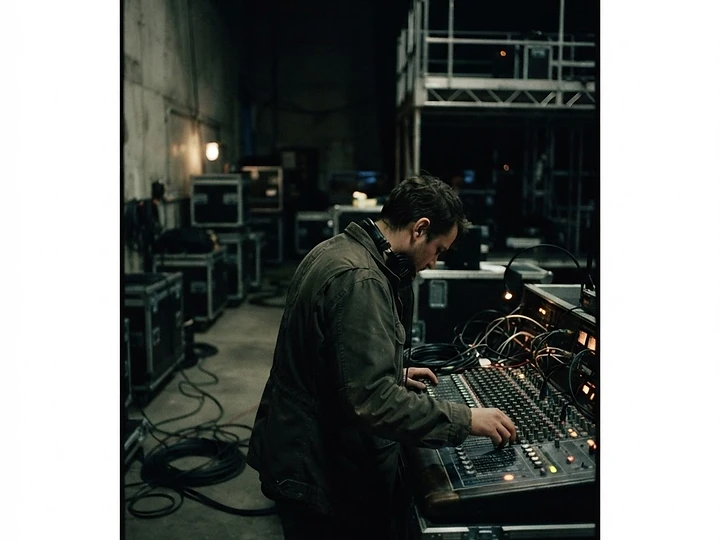
Undertone succeeds by stripping away the visual crutches of traditional cinema. The film utilizes the language of modern audio formats—guided meditations, distorted voice memos, and repetitive nursery rhymes—to build a sense of dread that feels uncomfortably personal. By forcing audiences to engage with the film through noise-cancelling headphones, the production team effectively bypasses the viewer's natural defenses. When you remove the ability to hear the world around you, you become a captive participant in the film’s sonic landscape.
Why We Are Obsessed
Cultural analysts point to the film’s success as a reflection of 2026’s unique digital fatigue. We are a society constantly tethered to our devices, consuming fragmented narratives through earbuds while commuting, working, or trying to sleep. Undertone weaponizes this habit. It turns the familiar, comforting medium of the podcast into a vessel for psychological horror. The film’s use of overlapping diegetic dialogue and reverse-vocal techniques creates a disorienting effect that mirrors the fragmented nature of our online existence.
The Shift in Indie Cinema
Beyond its technical prowess, Undertone represents a broader shift in the entertainment industry. Hollywood executives are increasingly looking toward creators who understand how to build tension through low-cost, high-concept storytelling. In a year where original ideas are proving to be a significant competitive advantage, Undertone stands as a testament to the power of creative constraints. It reminds us that the scariest picture is often the one we build in our own heads, fueled by the subtle, uncanny sounds of a world that never stops talking.


