
The Hidden Risk in Our Kitchens
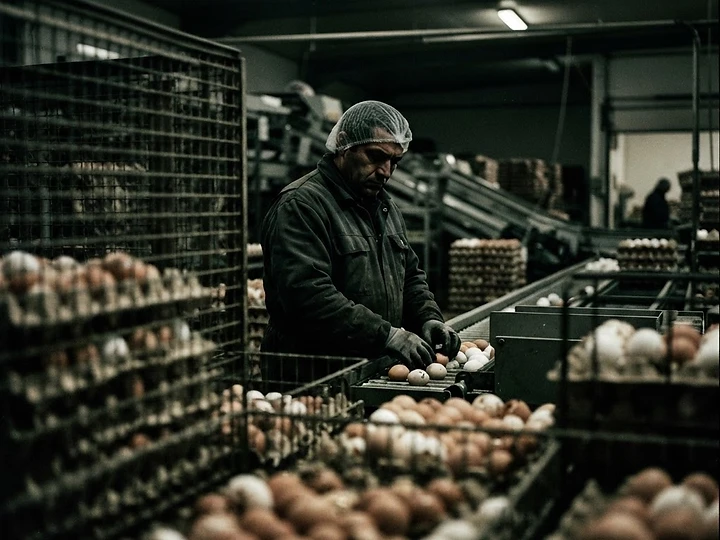
The recent spike in salmonella-related egg recalls has brought the fragility of our food supply chain into sharp focus. For the average consumer, the egg is a staple—a reliable, affordable source of protein. However, the latest wave of contamination reports suggests that the industrial systems designed to keep our food supply consistent are struggling to maintain basic safety standards. This is not merely a localized issue; it is a systemic failure that demands immediate regulatory scrutiny.
Understanding the Contamination Vector
Salmonella, a bacterium that causes severe gastrointestinal distress, is notoriously difficult to eradicate in large-scale poultry operations. When a recall is issued, it is often the result of a breakdown in biosecurity measures at the farm level. Modern poultry farming relies on high-density housing, which, while efficient, creates an environment where pathogens can spread with alarming speed. Once a single facility is compromised, the distribution network ensures that the contaminated product reaches grocery shelves across multiple states before the issue is even identified.
The Path Forward for Food Safety
Consumers are rightfully demanding more transparency. The current "reactive" model of food safety—where recalls are issued only after illnesses are reported—is no longer sufficient. Experts are calling for a shift toward "proactive" testing, utilizing rapid genomic sequencing to identify bacterial strains before they reach the consumer. Furthermore, there is a growing movement toward decentralized, smaller-scale farming, which inherently carries lower risks of mass-scale contamination. As we look toward the future of food security, the integration of better technology and more rigorous oversight will be the only way to restore public trust in the poultry industry.


