
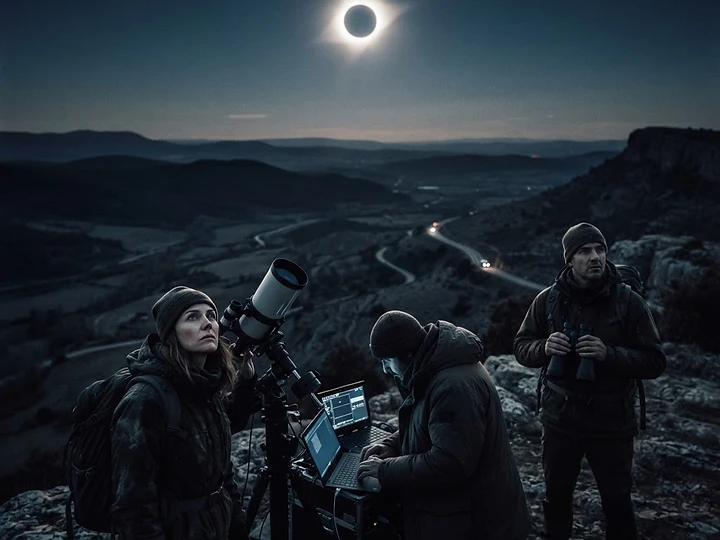
The Path of Totality
While the last major eclipse is still fresh in many minds, the digital world is already looking toward August 12, 2026. The search trend for 'solar eclipses' has seen a significant uptick as enthusiasts and scientists begin planning for a path of totality that will sweep across Greenland, Iceland, and Spain. This particular eclipse is unique because it will be the first total solar eclipse visible in continental Europe in over two decades. The search data indicates that 'eclipse chasing' has moved from a niche hobby to a mainstream travel trend. People are not just looking for the date; they are researching specific coordinates, weather patterns in northern Spain, and maritime viewing options off the coast of Iceland.
The Rise of Eclipse Tourism
The economic impact of these celestial events is staggering. During the 2024 eclipse in North America, small towns within the path of totality saw record-breaking revenue. The current search volume suggests that Spain is bracing for a similar influx. Keywords related to 'eclipse hotels' and 'totality tours' are rising alongside the primary search term. This phenomenon, often called 'astro-tourism,' represents a significant shift in how people choose their travel destinations. It is no longer just about the location, but about the timing of a rare natural event. For local economies, this presents both an opportunity and a logistical challenge, as infrastructure must be prepared to handle hundreds of thousands of visitors for a three-minute event.
Advancing Solar Science
Beyond the tourism boom, the search trend reflects a deep-seated curiosity about the science of the sun. Total solar eclipses provide a rare opportunity for scientists to study the solar corona—the sun's outer atmosphere—which is usually obscured by the bright light of the solar disk. Search queries are increasingly focused on the technology used to capture these moments, from specialized solar filters to high-altitude research balloons. The 2026 eclipse will be particularly important for studying solar flares and the solar wind, as the sun will be near its solar maximum. The intersection of public fascination and scientific discovery is what keeps the 'solar eclipse' keyword at the top of the charts, proving that even in a high-tech age, the wonders of the natural world remain our greatest draw.


