
Why this is trending right now
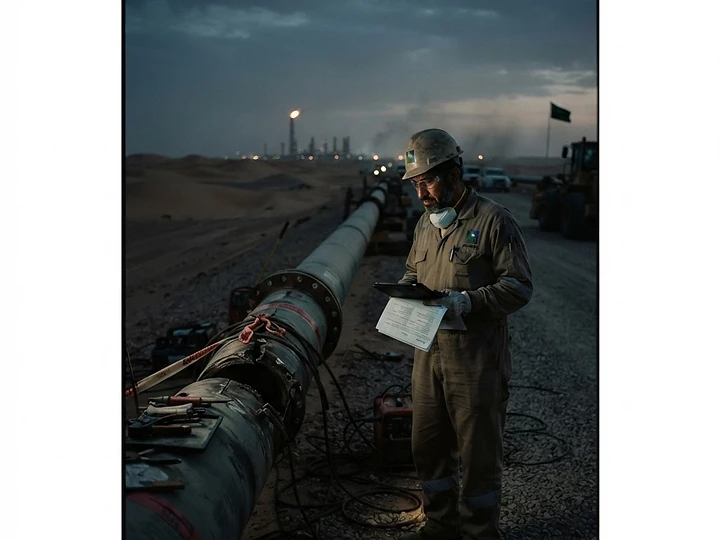
Global energy monitoring systems and search volume for "Saudi East-West pipeline" escalated sharply following an emergency shutdown ordered by Saudi authorities after drone strikes hit critical pumping stations, as reported by CNBC on September 11, 2026. The infrastructure asset serves as the kingdom's primary conduit to transport crude oil from Eastern Province extraction fields to Red Sea export terminals, bypassing the Persian Gulf.
The last 24 hours: a timeline
Early in the morning, defense monitoring services confirmed multiple unmanned aerial systems launched from southern Iraq entered Saudi airspace, targeting intermediate transit hubs along the 746-mile pipeline corridor.
By midday UTC, the Saudi Ministry of Energy initiated precautionary shutdown protocols across key pumping installations to assess structural integrity and contain localized fires, prompting regional energy desks to immediately calculate potential maritime shipment re-routings.
Within hours, international commodities desks registered increased volatility across Brent crude futures contracts as regional geopolitical analysts cited by international media confirmed the strategic significance of the operational halt during ongoing regional transit friction.
What could happen next
Energy analysts infer from prior facility strike responses that technical inspections will take 48 to 72 hours before partial throughput is restored. If damage to pumping units requires custom component replacement, daily throughput capacity of up to 5 million barrels per day will be diverted to Persian Gulf marine terminals, escalating tanker volume through the Strait of Hormuz and raising marine insurance premiums.
SOURCES — THE RECORD