
Why this is trending right now
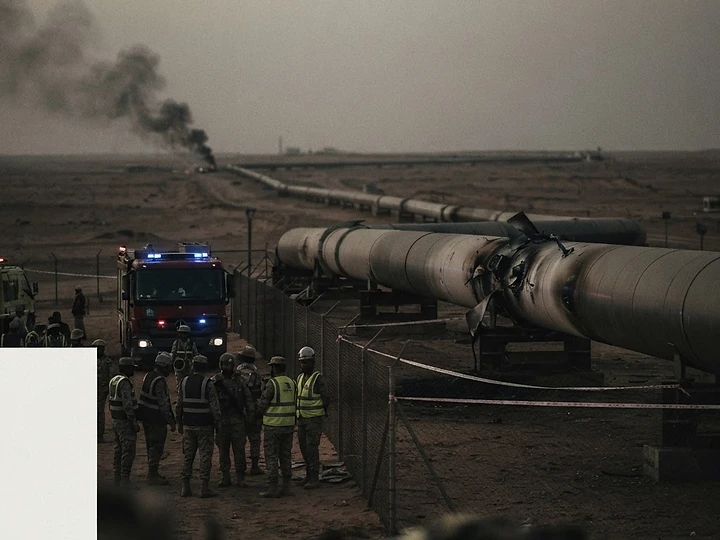
Saudi authorities suspended crude oil transfers through the country's primary East-West pipeline after strikes conducted by unmanned aerial drones originating from Iraq damaged pump facilities, as reported by CNBC. The tactical disruption to the 1,200-kilometer conduit, which bypasses the Strait of Hormuz to reach Red Sea export terminals, drove global energy risk premiums higher and generated sharp spikes in international commodity monitoring.
The last 24 hours: a timeline
Early in the morning, regional defense radars intercepted multiple incoming aerial vehicles, but debris and direct strikes ignited localized fires along secondary pumping units. By midday, Saudi energy officials confirmed the precautionary shutdown of throughput across the dual-line system to assess pipeline integrity and pressure drops. Within hours of the announcement, Brent crude contracts gained $2.40 per barrel on European spot exchanges while maritime tracking services flagged tanker holding patterns outside Yanbu port terminals.
What could happen next
Engineering assessments will determine whether thermal deformation occurred on the trunkline walls, dictating whether repairs require days or extended weeks. Inferred from prior security protocols, Saudi Aramco will likely reroute marginal volumes to Persian Gulf terminals at Ras Tanura while air defense batteries reposition around inland pump installations. Geopolitical analysts expect regional diplomatic statements to focus on maritime insurance freight adjustments across Arabian Gulf corridors.
SOURCES — THE RECORD
- Saudi Arabia shuts down East-West crude oil pipeline after drone attacksCNBC · cnbc.com
- Falling oil could help stocks but energy risks persistCNBC · cnbc.com
- Diesel and Oil Price Pressures Mount in Global LogisticsCNBC PRO · cnbc.com