
Why this is trending right now
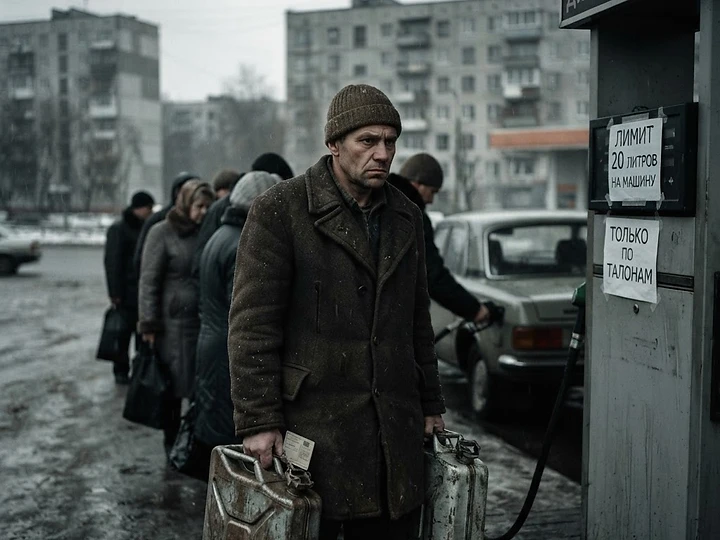
Russia has begun rationing fuel supplies across several regions following a massive drone strike that targeted key energy infrastructure. This development represents a significant escalation in the technological capabilities of Ukrainian forces, who successfully bypassed Russian air defenses to strike strategic fuel depots. The disruption has forced the Kremlin to prioritize fuel allocation for military and essential services, leading to immediate shortages for civilian consumers.
The last 24 hours: a timeline
Early in the day, reports emerged of widespread fuel shortages at service stations in western and central Russia. By midday UTC, official statements from regional governors confirmed that rationing protocols were being activated to manage dwindling reserves. Within hours, analysts noted that the strike had successfully neutralized a major distribution hub, compounding the logistical strain on the Russian military supply chain. By evening, international observers confirmed that Ukrainian drone technology had effectively neutralized several high-value targets, forcing a recalibration of Russian defensive strategies.
What could happen next
The immediate outlook involves continued volatility in Russian domestic energy markets as the government attempts to stabilize supply chains. Inferred from the current scale of the damage, it is likely that Russia will increase its reliance on secondary, less efficient distribution networks, which may lead to further price hikes and localized shortages. Future developments will depend on the frequency of subsequent drone strikes and the ability of Russian forces to deploy effective electronic warfare countermeasures to protect remaining infrastructure.
SOURCES — THE RECORD
- This Morning's Top Headlines – Sept. 24 | Morning News NOWMORNING NEWS NOW · youtube.com
- World News: International Headlines, Breaking ReportsNBC NEWS · nbcnews.com
- Politics: Latest and breaking political news todayPOLITICO · politico.com