
The Digital Ghost in the Machine
In the vast, interconnected landscape of 2026, the intersection of music and digital architecture has birthed a peculiar phenomenon: the rise of Vocaloid-driven liminal soundscapes. While mainstream pop continues to chase the high-gloss production of AI-assisted studio tracks, a growing subculture has turned its ears toward the uncanny, synthetic voices of Vocaloid software to soundtrack the internet's most unsettling corners.
The Sound of the Uncanny
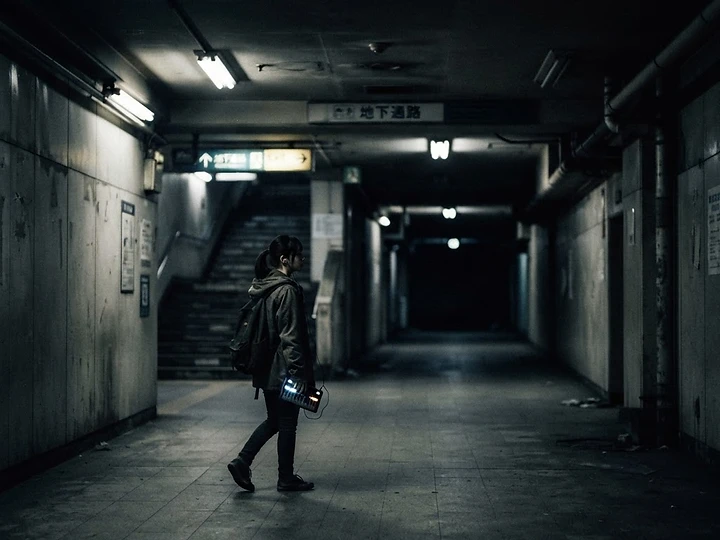
For the uninitiated, Vocaloid is a singing-synthesizer software that allows users to create vocal tracks by inputting melody and lyrics. Originally designed as a tool for pop-star simulation, it has been repurposed by independent creators to evoke a sense of 'liminality'—that specific, eerie feeling of being in a transitional space that feels both familiar and profoundly wrong. The metallic, slightly detached quality of the synthesized voice acts as a perfect sonic mirror to the empty, fluorescent-lit hallways of the 'Backrooms' and other digital voids that have captivated the collective imagination of Gen Z.
Why Now?
This trend is not merely about nostalgia for early 2010s internet culture; it is a reaction to the hyper-polished, AI-saturated media environment of 2026. As audiences grow weary of content that feels 'too perfect' or algorithmically generated, there is a craving for the raw, slightly broken aesthetic of early vocal synthesis. The 'liminal' quality of these tracks provides a sense of comfort in the discomfort—a way to process the overwhelming nature of our digital existence through a medium that is explicitly artificial yet deeply emotive.
Beyond the Backrooms
While the upcoming Backrooms film adaptation has certainly accelerated interest in this aesthetic, the trend is expanding into broader cultural territory. We are seeing fashion designers, indie game developers, and even experimental filmmakers incorporating these haunting, synthetic melodies into their work. It represents a shift in how we consume 'atmosphere.' We are no longer just looking for a catchy hook; we are looking for a sonic environment that reflects the fragmented, often lonely experience of living online. As we move deeper into the year, expect to hear more of these digital ghosts haunting the background of our favorite media, reminding us that sometimes, the most human-sounding music is the one that was never human at all.


