
The Authenticity Deficit
In the digital landscape of August 2026, a quiet revolution is taking place. For the past eighteen months, the internet has been flooded with a deluge of AI-generated imagery, copy, and video. While the efficiency of these tools was initially celebrated, we have reached a saturation point. Recent data indicates that over 40% of long-form professional posts and a significant portion of social media content now bear the unmistakable, sterile hallmarks of automation. This has created an 'authenticity deficit,' where users are actively tuning out polished, synthetic content in favor of something far more valuable: human imperfection.
The Pivot to Human-Led Storytelling
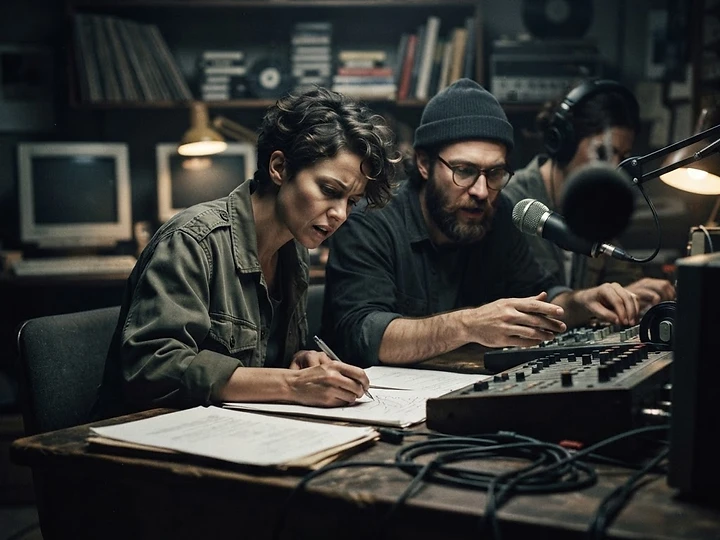
The current cultural shift is not merely a rejection of technology, but a recalibration of what we value in our feeds. Brands and creators who are winning right now are those who lean into the 'ugly' side of content creation. This includes raw, unedited screenshots, behind-the-scenes founder stories, and honest reflections on professional trade-offs. The goal is no longer to project a flawless brand image, but to foster a sense of shared experience. By highlighting the friction of real life—the mistakes, the messy processes, and the genuine opinions—creators are building communities that feel grounded rather than manufactured.
Why Trust is the New Currency
As social media platforms evolve into primary search and discovery engines, the way we consume information has fundamentally changed. Users are no longer just looking for answers; they are looking for trusted voices. When a user searches for a product review or a cultural take, they are increasingly bypassing generic brand pages to find employee advocacy posts or creator-led testimonials. This shift suggests that in an era where anyone can generate a perfect-looking advertisement, the most scarce resource is human credibility.
Practical Strategies for the Modern Creator
For those looking to navigate this landscape, the playbook for late 2026 is clear: prioritize depth over volume. The era of 'spray and pray' content posting is fading. Instead, successful strategies now focus on building a system around customer friction. By identifying the specific questions or challenges an audience faces and answering them with personal, human-led insights, creators can drive higher engagement and conversion. Whether it is through carousel posts that break down complex lessons or polls that invite genuine debate, the focus must remain on the human element.
Ultimately, the most effective social media strategy today is one that uses AI behind the scenes for logistics and data, while keeping the public-facing content strictly human. As we move further into the year, the brands that survive will be those that treat their audience like people, not data points, proving that in a world of infinite synthetic content, the most radical thing you can be is real.


