
The Anime-Fast Food Convergence
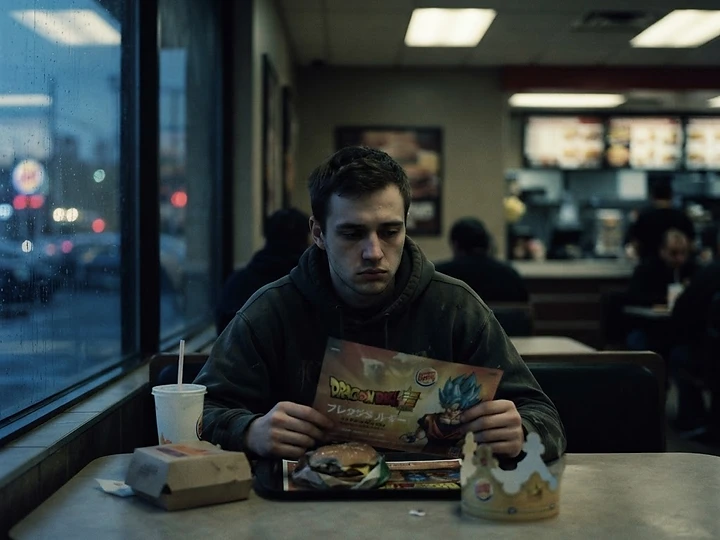
In a landscape where brand collaborations have become the primary currency of cultural relevance, Burger King has struck a chord with its latest venture: the Dragon Ball Super menu. This isn't merely a promotional stunt; it represents a sophisticated alignment between the enduring legacy of Japanese animation and the high-speed, high-visibility world of global fast-food chains. By integrating exclusive Saiyan-themed sauces and a series of six collectible figurines, the brand has successfully tapped into the 'fandom-first' marketing strategy that has defined the most successful consumer trends of 2026.
Why Dragon Ball Super Still Resonates
Dragon Ball Super remains a titan of the anime world, transcending its origins as a 1980s manga phenomenon to become a multi-generational touchstone. The current surge in interest is not accidental. As digital-native audiences continue to seek out 'analog' experiences—physical items they can hold, display, and trade—the inclusion of high-quality figurines in a meal deal provides a tangible connection to a digital world. This tactile engagement is a direct response to the fatigue surrounding purely virtual content, proving that even in an era of AI-generated media, the physical collectible remains a powerful driver of consumer behavior.
The Mechanics of the Hype
Social media platforms have been flooded with unboxing videos and 'Saiyan Sauce' taste tests, creating a feedback loop of user-generated content that amplifies the campaign's reach. Unlike traditional advertising, which often feels intrusive, this collaboration invites fans to participate in the brand's narrative. By turning a simple lunch into a 'quest' for the complete set of figurines, Burger King has gamified the dining experience. This strategy mirrors the success of other 'drop' culture phenomena, where scarcity and completionism drive foot traffic and social media engagement simultaneously.
A Cultural Mandate for Brands
This trend highlights a broader shift in how entertainment and retail intersect. Consumers are no longer satisfied with passive consumption; they demand an active role in the cultural moments they support. The Dragon Ball Super menu succeeds because it respects the source material while providing a low-barrier entry point for new fans. As we move further into 2026, we can expect to see more brands attempting to replicate this 'anime-fication' of the retail space. The success of this campaign serves as a blueprint for how legacy brands can remain relevant by leaning into the specific, passionate subcultures that define modern digital discourse. Whether it is through limited-edition packaging or exclusive digital rewards, the future of brand loyalty lies in the ability to speak the language of the fandom.


