
The New Frontier of Digital Fear
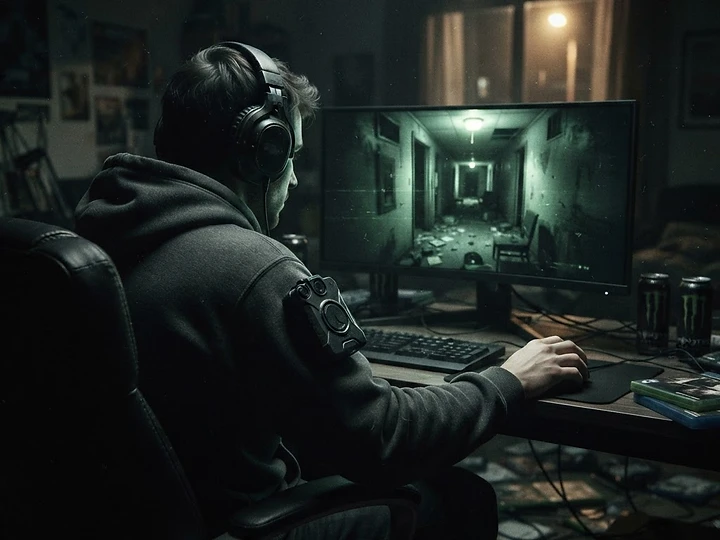
In the landscape of modern gaming, horror has long relied on cinematic tropes: jump scares, orchestral swells, and third-person perspectives that provide a safety net of distance. However, a new wave of titles, exemplified by the viral sensation 'BODYCAM', is dismantling these conventions. By adopting the shaky, low-fidelity, and claustrophobic aesthetic of tactical body-worn cameras, developers are tapping into a primal, voyeuristic anxiety that feels uncomfortably real.
The Aesthetic of Authenticity
What makes the 'bodycam' trend so potent is its commitment to visual imperfection. Unlike the polished, high-definition graphics that define modern AAA titles, these games lean into the 'found footage' aesthetic. The motion blur, the fisheye lens distortion, and the erratic camera movements mimic the raw, unedited nature of real-world police or military footage. This stylistic choice does more than just look gritty; it forces the player to inhabit a perspective that feels inherently fragile. When the screen shakes, the player feels the disorientation of the character, turning the act of playing into an act of witnessing.
Why We Are Watching
This trend is not merely a technical gimmick; it is a cultural reflection of our obsession with 'authentic' digital content. In an era where social media feeds are saturated with real-world conflict footage, the gaming industry has inadvertently—or perhaps intentionally—mirrored this visual language. Players are no longer just playing a game; they are participating in a simulation that feels like a leaked document from a dark reality. This creates a unique psychological tension: the brain struggles to categorize the experience as 'just a game' because the visual cues are identical to the high-stakes, real-world videos we consume daily.
The Future of Immersive Horror
As we move deeper into 2026, the success of these titles suggests that the future of horror lies in the removal of the 'gamey' interface. By stripping away health bars, mini-maps, and cinematic camera angles, developers are creating a vacuum of information. In that vacuum, fear thrives. The 'BODYCAM' phenomenon proves that players are hungry for experiences that challenge their perception of reality. As AI-generated environments become more sophisticated, this trend will likely evolve, pushing the boundaries of what we consider 'interactive entertainment' and moving us toward a future where the line between the screen and the street is thinner than ever before.


