
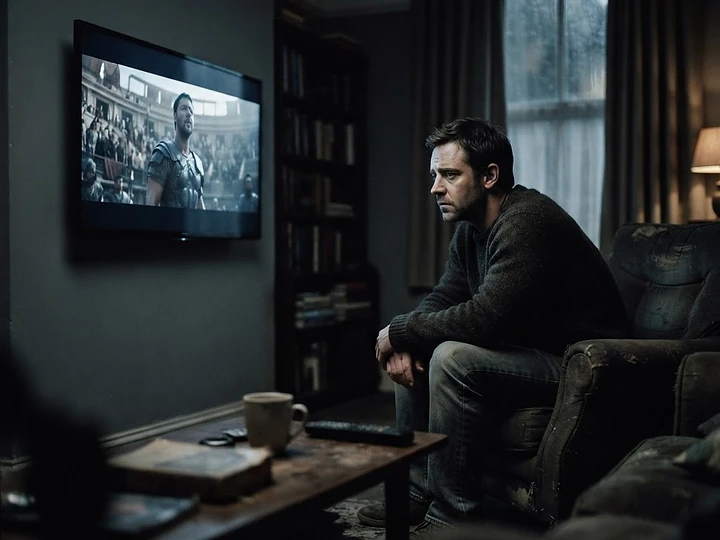
A Second Life in the Arena
In the volatile landscape of modern cinema, few films manage to sustain cultural relevance long after their theatrical run. Yet, Ridley Scott’s Gladiator II has defied the typical post-release cooling period, emerging as a dominant force on streaming platforms nearly two years after its November 2024 premiere. The film, which serves as a sprawling, ambitious follow-up to the 2000 classic, has found a new audience that is engaging with its spectacle, its historical liberties, and its polarizing narrative choices with renewed vigor.
The Spectacle of Scale
When Gladiator II first hit theaters, it was met with a mixture of awe at its technical prowess and skepticism regarding its necessity. The film, which crossed the $450 million mark at the global box office, was praised for its visceral action sequences and the sheer scale of its production. However, the transition to home viewing has allowed audiences to dissect the film’s "maximalist" approach. Critics and fans alike are now debating whether the film’s decision to lean into larger-than-life set pieces—including the infamous inclusion of exotic animals in the Colosseum—was a masterstroke of entertainment or a departure from the grounded, character-driven intimacy that defined the original.
Paul Mescal and the Weight of Legacy
At the heart of the discourse is the performance of Paul Mescal. Stepping into the sandals of a protagonist tasked with carrying the emotional weight of a franchise is no small feat. While some viewers have lauded his intensity, others have pointed to the film’s pacing as a hurdle for character development. The streaming resurgence has sparked a fresh wave of analysis regarding Mescal’s portrayal of Lucius, with many viewers now re-evaluating his performance outside the pressure-cooker environment of a blockbuster opening weekend. This delayed appreciation is a testament to the film’s staying power; it is a movie that demands multiple viewings to fully grasp its complex, often chaotic, narrative architecture.
Ridley Scott’s Unyielding Vision
Director Ridley Scott has never been one to shy away from grand, historical canvases, and Gladiator II is perhaps the ultimate expression of his current creative philosophy. By focusing on the "paper"—the script and the core emotional stakes—Scott has crafted a film that feels distinct from the current trend of sanitized, franchise-driven content. As he moves toward his next project, an adaptation of The Dog Stars, the continued interest in Gladiator II serves as a reminder of his ability to command the cultural conversation. Whether one views the film as a worthy successor or a flawed epic, its ability to remain a top-trending topic in 2026 proves that the Roman arena still holds a powerful grip on the modern imagination.


