
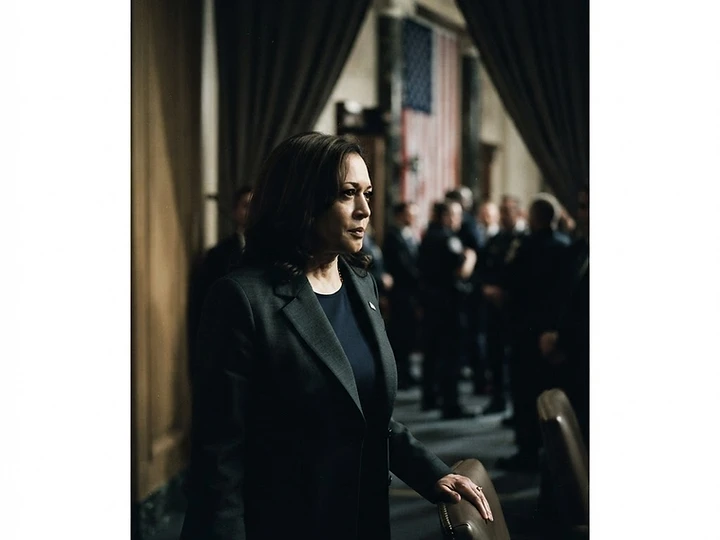
The Harris Momentum and the Enthusiastic Base
In the three weeks since President Joe Biden withdrew from the 2024 race, the American political landscape has undergone a transformation that typically takes years. Vice President Kamala Harris has not only consolidated the Democratic Party but has also generated a surge in polling and fundraising that has caught both allies and opponents off guard. The search volume for 'Kamala Harris' and 'Harris Walz campaign' remains at historic highs as the public attempts to parse the 'joy' narrative being promoted by the new ticket.
The momentum is quantifiable. Recent polling indicates a tightening of the race in crucial 'Blue Wall' states—Pennsylvania, Michigan, and Wisconsin—where Harris is currently running even with or slightly ahead of former President Donald Trump. This shift represents a significant departure from the late June polls, which showed Biden trailing in nearly every battleground. The analytical question now is whether this is a 'honeymoon' period or a fundamental realignment of the electorate.
Tactical Shifts in the Democratic Platform
The Harris campaign has skillfully utilized the selection of Minnesota Governor Tim Walz as a bridge to Midwestern voters. Walz’s 'plain-spoken' style and background as a teacher and veteran have provided a pragmatic counterweight to Harris’s coastal prosecutor image. Together, they have leaned into a platform that emphasizes 'freedom'—specifically reproductive freedom and economic opportunity—rather than just the 'defense of democracy' theme that characterized the Biden campaign.
This tactical shift is reflected in the digital interest surrounding the Democratic National Convention (DNC), scheduled to begin in Chicago next week. The convention is being positioned as a launchpad for a 90-day sprint, focusing on high-energy rallies and viral social media moments designed to appeal to Gen Z and millennial voters who were previously unenthused by the Biden-Trump rematch. The 'brat summer' cultural phenomenon may be passing, but its impact on the Harris brand's digital resonance is undeniable.
The Challenge of the Republican Response
Conversely, the Republican campaign has struggled to recalibrate its strategy. For nearly two years, the GOP focused its messaging on Joe Biden’s age and mental acuity. With Harris at the top of the ticket, those attacks have been rendered obsolete. The Trump campaign has attempted to pivot by labeling Harris as 'dangerously liberal' and focusing on her record as 'border czar,' but these messages have struggled to gain the same traction as the previous anti-Biden rhetoric.
The surge in searches for 'Harris vs. Trump debate' highlights the public’s desire for a direct confrontation between the two candidates. Donald Trump’s recent press conferences and media appearances suggest a candidate seeking to reclaim the narrative, yet he faces a opponent who is currently dominating the news cycle with a disciplined, teleprompter-heavy campaign that limits opportunities for spontaneous errors. The Republican strategy is now increasingly focused on tying Harris to the Biden administration’s record on inflation—an area where, despite recent improvements, the public remains skeptical.
Implications for the General Election Map
As we look toward November, the 'Harris Effect' is beginning to expand the map. Sun Belt states like Arizona, Nevada, and Georgia, which appeared to be slipping away from the Democrats, are now back in play. Harris’s strength with Black and Latino voters, as well as her appeal to college-educated women, has forced the Trump campaign to spend resources in states they previously considered safe.
The search trends we see today are indicative of a high-stakes, high-involvement election. The reconfiguration of the political center—where suburban swing voters are deciding between the 'MAGA' vision and the new 'Harris-Walz' energy—will likely be the defining story of the next 80 days. In a year defined by unprecedented political shocks, the rise of Kamala Harris may be the most significant one yet.


