
The Architecture of Deception
In an era where reality television often struggles to maintain cultural relevance beyond its initial viral spark, The Traitors has achieved the impossible: it has become a permanent fixture of the prestige television landscape. With its third consecutive Emmy win for Outstanding Reality Competition Program in September 2026, the series has moved beyond the 'guilty pleasure' label, establishing itself as a masterclass in psychological gameplay and high-stakes production design.
What makes The Traitors so uniquely potent is its ability to weaponize the existing fame of its participants. By casting reality royalty—Bravo stars, survivalists, and social media icons—into a high-pressure environment, the show creates a meta-narrative that viewers find irresistible. It is not just a game of murder and deception; it is a study in brand management and interpersonal trust. When a contestant like Maura Higgins transitions from the cutthroat world of The Traitors to the structured, professional partnership of Dancing With the Stars, the audience is already primed to analyze her every move through the lens of her previous betrayals. This cross-pollination of reality ecosystems is the secret sauce that keeps the franchise feeling fresh, even as it enters its fourth season and beyond.
The Peacock Powerhouse
Peacock’s aggressive commitment to the franchise—recently ordering three additional seasons—signals a shift in how streaming platforms view unscripted content. Rather than treating reality shows as filler, Peacock has treated The Traitors as a flagship intellectual property. The show’s success has created a 'Traitors Industrial Complex,' where the gameplay is dissected by fans, celebrities, and even high-profile figures like Daniel Radcliffe, who has publicly weighed in on the strategic maneuvers of contestants like Rob Rausch.
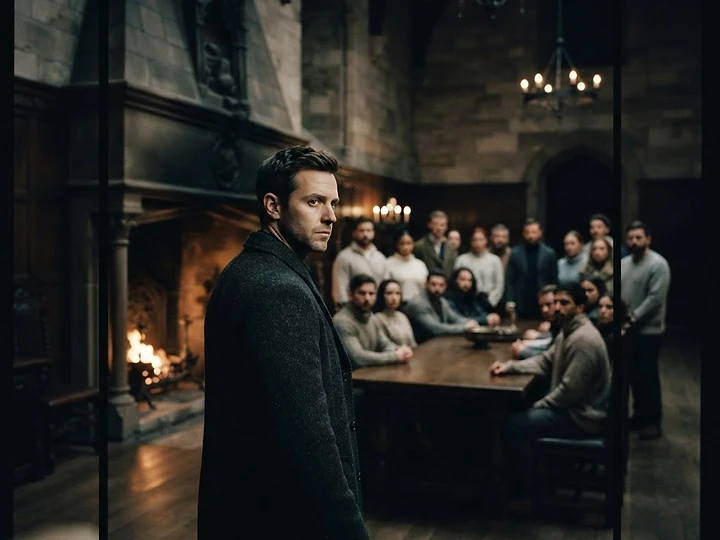
This level of engagement is rare. It suggests that the audience is no longer satisfied with passive viewing; they want to participate in the 'detective work' of the show. The Scottish castle setting, the iconic cloaks, and the ritualistic banishments have become shorthand for a specific type of modern entertainment—one that values social intelligence over physical prowess.
The Future of the Format
As the franchise looks toward the future, including the development of a 'normie' spinoff, the challenge will be maintaining the delicate balance between high-octane celebrity drama and the purity of the game. Critics and fans alike are already clamoring for more shows that utilize the 'Bravo-star-in-a-competition' model, proving that the appetite for this specific brand of chaos is far from sated.
Ultimately, The Traitors has succeeded because it understands the fundamental truth of modern celebrity: we don't just want to watch stars live their lives; we want to see them stripped of their defenses, forced to lie to their friends, and pushed to the brink of their own personas. As long as the game remains as sharp as the daggers thrown in the boardroom, The Traitors will remain the undisputed king of the reality throne.


