
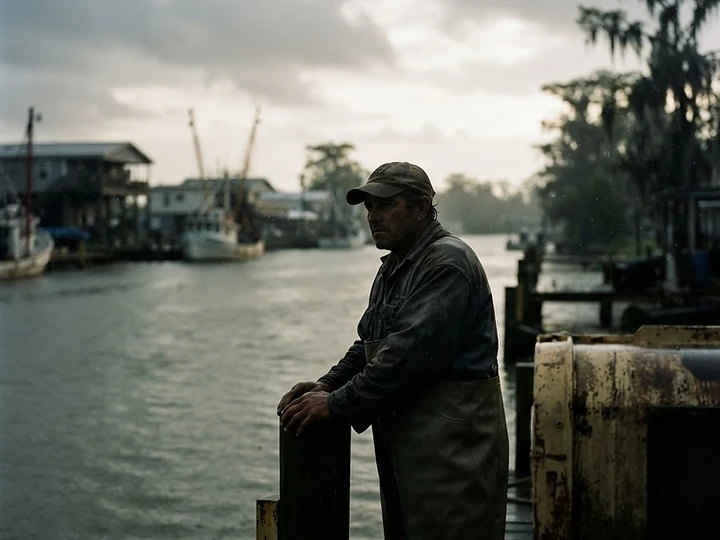
The Silent Threat in Coastal Waters
The recent surge in Vibrio vulnificus cases across Louisiana has sent shockwaves through public health departments and coastal communities alike. Often referred to as a 'flesh-eating' bacteria, Vibrio vulnificus thrives in warm, brackish waters, making the Gulf Coast a natural habitat. However, the current outbreak suggests a shift in environmental conditions or human interaction patterns that warrants immediate attention.
Understanding the Pathogen
Vibrio vulnificus is not a typical foodborne illness. While it can be contracted through the consumption of raw or undercooked shellfish, it is equally dangerous when open wounds are exposed to contaminated seawater. For individuals with compromised immune systems, liver disease, or diabetes, the infection can progress rapidly, leading to severe sepsis and tissue necrosis.
Environmental Factors and Climate Change
Scientists are increasingly looking at the role of rising water temperatures in the proliferation of these bacteria. As the Gulf of Mexico experiences warmer summers, the window for bacterial growth expands, pushing the risk further into the calendar year. This outbreak serves as a stark reminder that climate change is not just a distant threat but a present factor in regional health security.
Public Health Response
Local authorities have issued strict advisories, urging residents to avoid swimming with open wounds and to ensure all seafood is cooked to appropriate temperatures. The challenge remains in balancing the economic reliance on the fishing industry with the necessity of public safety. As the situation develops, the focus must remain on rapid detection and public education to prevent further fatalities.


