
The High Stakes of Highland Deception
The Scottish Highlands have once again become the epicenter of cultural obsession. With the return of the BBC’s Celebrity Traitors, the format has evolved from a simple game of social deduction into a high-stakes psychological experiment. As twenty-one famous faces—ranging from acclaimed actors like Michael Sheen to cultural icons like Maya Jama—descend upon the iconic Ardross Castle, the audience is witnessing more than just a game; they are watching the systematic dismantling of public personas.
The Performance of Paranoia
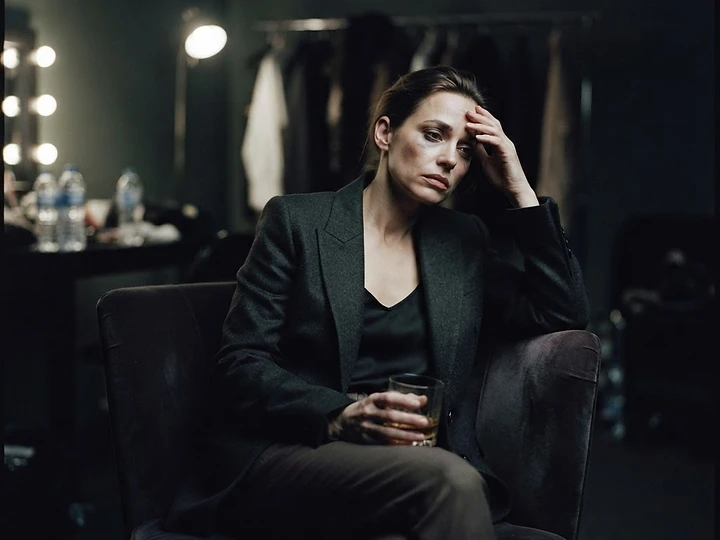
What makes this iteration of the franchise so compelling is the inherent tension between the contestants' professional lives and the brutal requirements of the game. In the real world, these individuals are masters of image management. In the castle, they are forced to abandon their carefully curated public identities in favor of raw, often ugly, suspicion. The recent reports of a contestant becoming 'visibly stressed' during filming underscore the reality that even for seasoned performers, the environment of The Traitors is uniquely corrosive. The game demands that participants lie to their peers, manipulate friendships, and endure the constant threat of 'murder'—a theatrical conceit that nonetheless triggers genuine fight-or-flight responses.
Why We Can't Look Away
Cultural critics have long noted that The Traitors succeeds because it mirrors the anxieties of the modern digital age. We live in an era of misinformation, where discerning truth from fabrication is a daily struggle. Watching celebrities—people we feel we 'know'—struggle to identify the liars in their midst provides a cathartic release for the viewer. When a beloved figure like Alan Carr, who dominated the previous series, breaks down in tears after a successful deception, it forces the audience to confront the blurred lines between game-play and genuine emotional vulnerability. It is this ambiguity that keeps the show at the top of the cultural zeitgeist.
The Future of Reality Television
As the series progresses, the discourse has shifted from 'who will win' to 'what is the cost of winning?' The production team, led by the ever-enigmatic Claudia Winkleman, has mastered the art of the slow-burn reveal. By casting a diverse array of personalities, the show ensures that the social dynamics are never predictable. However, as the intensity of the game increases, the industry must grapple with the long-term impact of such high-pressure environments on its participants. For now, the public remains hooked, proving that in a world of scripted entertainment, the most gripping drama is still the one where the stakes—and the lies—feel entirely real.


