
A Rare Alignment
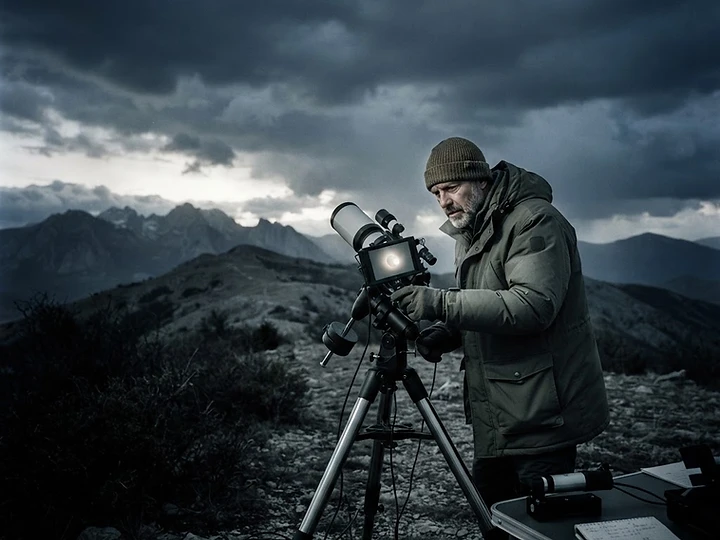
The solar eclipse scheduled for August 12 has captured the public imagination, driving a massive spike in search interest as enthusiasts and casual observers alike scramble to understand the mechanics of the event. Solar eclipses are not merely visual spectacles; they are profound reminders of the clockwork precision of our solar system. The alignment of the Earth, Moon, and Sun provides a unique opportunity for both scientific observation and public engagement with astronomy.
The Science of the Shadow
For researchers, the eclipse offers a chance to study the solar corona, the outer atmosphere of the Sun that is usually obscured by its intense brightness. Modern technology has allowed for more sophisticated data collection during these events, providing insights into solar wind and magnetic fields that are critical for understanding space weather. This weather, in turn, has significant implications for satellite communications and power grids on Earth.
Safety and Observation
Public interest is also heavily focused on the logistics of safe viewing. The surge in searches for 'eclipse glasses' and 'viewing times' underscores the importance of public education regarding eye safety. As communities prepare to host viewing events, the focus is on ensuring that the experience is both memorable and safe. This event serves as a bridge between the abstract world of astrophysics and the tangible, shared experience of looking up at the sky in wonder. It is a moment of global unity, where millions of people are momentarily connected by the same celestial shadow.


