
A New Vision for a Classic Narrative
August Wilson’s Pittsburgh Cycle has long served as the bedrock of modern American theater, a monumental exploration of the Black experience across the 20th century. With the release of The Piano Lesson, directed by Malcolm Washington, the cinematic adaptation of this Pulitzer Prize-winning work has arrived on Netflix, inviting a new generation to grapple with the weight of the past. Washington’s debut feature is not merely a filmed play; it is an ambitious attempt to translate the rhythmic, haunting language of Wilson into a visual medium that demands the audience confront the ghosts of slavery.
The Weight of the Heirloom
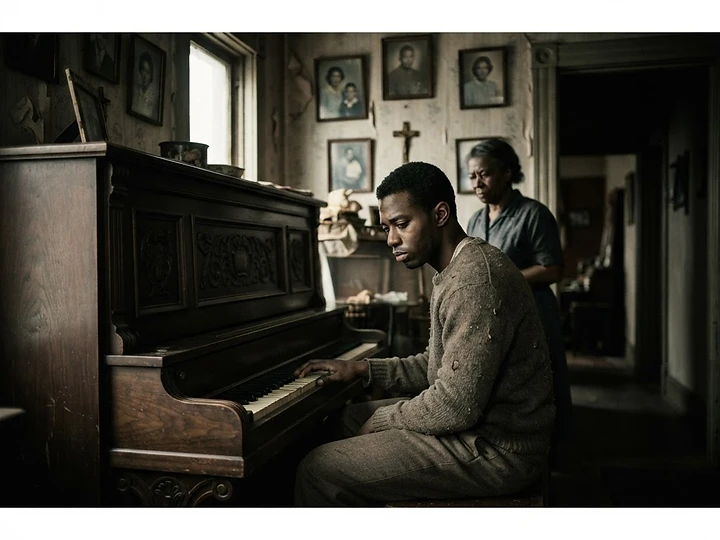
The central conflict of the film—a dispute between siblings over a carved piano—serves as a profound metaphor for the struggle between selling one’s heritage for economic survival or preserving it as a testament to ancestral suffering. John David Washington and Danielle Deadwyler anchor the film with performances that oscillate between desperate pragmatism and spiritual reverence. The piano, adorned with carvings that document the family’s history, becomes a character in its own right, a silent witness to the trauma that continues to resonate through the bloodlines of the Charles family.
Directorial Ambition and Cinematic Texture
Malcolm Washington makes a bold choice by opening the film with a sequence not found in the original stage play: a visceral, kinetic depiction of the piano’s theft. This addition serves to ground the story in a tangible, historical reality before the narrative retreats into the claustrophobic, tension-filled confines of the family home. By expanding the visual scope, Washington attempts to bridge the gap between the theatricality of Wilson’s dialogue and the demands of contemporary cinema. While some critics have noted the friction between these two modes, the film succeeds in its commitment to the source material’s emotional core.
Generational Trauma as Cultural Currency
The film arrives at a moment when the conversation surrounding the preservation of Black history is more urgent than ever. By focusing on the 'chord that resonates through time,' the film posits that the past is never truly dead; it is a living, breathing entity that dictates the present. As the characters navigate their conflicting desires, the audience is forced to consider what we owe to those who came before us. Is the piano a burden to be discarded, or a sacred vessel of identity? This question remains the beating heart of the film, ensuring that The Piano Lesson will remain a significant cultural touchstone for years to come.


