
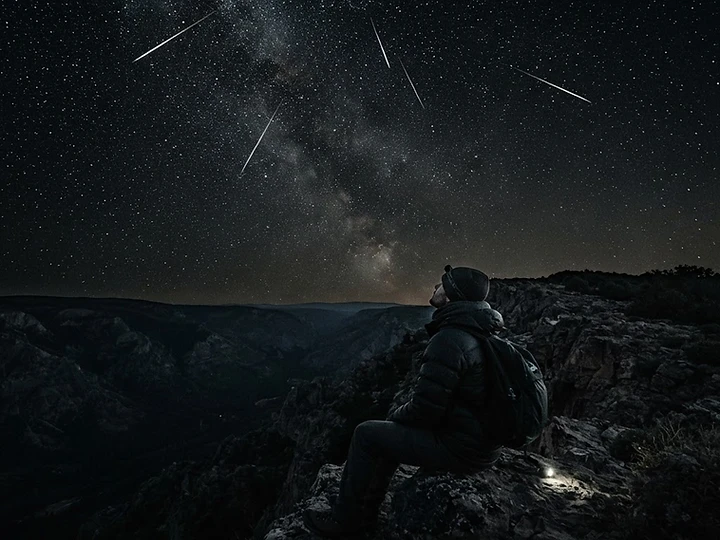
A Celestial Spectacle
As August reaches its midpoint, the night sky has become the focal point for millions of observers worldwide. The Perseid meteor shower, arguably the most anticipated astronomical event of the year, has officially peaked, offering a dazzling display of 'shooting stars' that streak across the atmosphere. This year’s event has been particularly notable for its visibility, with clear conditions in many regions allowing for optimal viewing of the debris left behind by Comet Swift-Tuttle.
The Science of the Shower
At its core, the Perseid meteor shower is a result of Earth’s orbit intersecting with the trail of dust and ice shed by the comet Swift-Tuttle. As these particles enter our atmosphere at high velocities, they burn up, creating the brilliant streaks of light that define the shower. Astronomers note that the 2026 display has been exceptionally consistent, with rates of activity meeting or exceeding historical averages. The phenomenon serves as a reminder of the dynamic nature of our solar system, where even the remnants of ancient comets can provide a profound connection to the cosmos for those on the ground.
Cultural Impact and Public Engagement
Beyond the scientific interest, the Perseid shower has become a significant cultural touchstone. In an era dominated by digital screens, the collective act of looking toward the stars represents a rare moment of shared, analog experience. Social media platforms have been flooded with long-exposure photography and amateur observations, highlighting a growing public appetite for astronomical events. For many, the shower provides a necessary respite from the complexities of daily life, offering a sense of perspective that only the vastness of space can provide. As the peak passes, the interest remains high, with many enthusiasts already planning their viewing strategies for the coming year.


