
Why this is trending right now
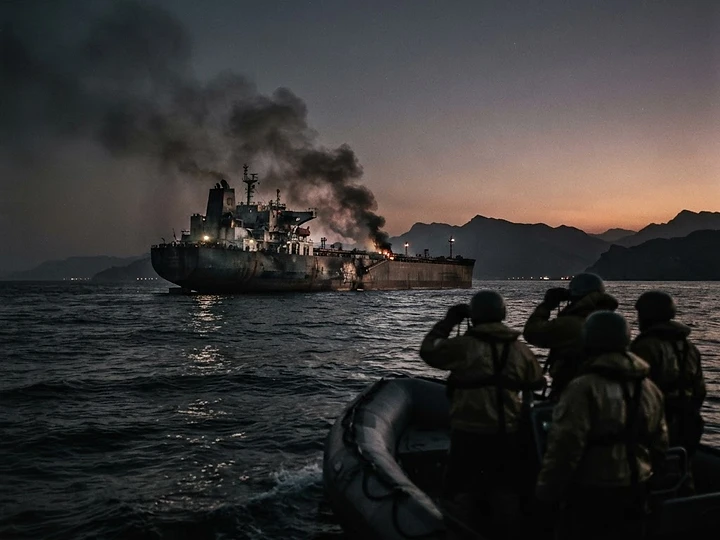
Global energy prices have experienced a sharp increase following reports of attacks on oil tankers in the Strait of Hormuz. This incident occurs within the context of an ongoing conflict involving the United States, Israel, and Iran, which has already strained global supply chains. The Strait of Hormuz serves as a critical maritime chokepoint for global oil transit, and any disruption to this route directly impacts international energy security and pricing benchmarks.
The last 24 hours: a timeline
Reports of the maritime incident emerged early on October 3, 2026. By midday, international observers and news agencies confirmed that multiple vessels had been targeted in the vicinity of the Strait. The United Kingdom and other regional monitors began issuing alerts regarding the safety of commercial shipping in the area. Throughout the afternoon, energy markets reacted to the news, with crude oil futures showing significant upward movement as traders priced in the risk of prolonged supply disruptions.
What could happen next
Future developments depend on the scale of the damage to the tankers and the subsequent response from international naval forces patrolling the region. If the attacks are confirmed to be part of a broader military campaign, insurance premiums for commercial shipping in the Persian Gulf will likely rise, further inflating energy costs. Analysts anticipate that the United States and its allies will increase their naval presence in the Strait to deter further aggression. The duration of the market volatility will be determined by the ability of regional powers to secure the shipping lanes and prevent further escalation of the conflict.
SOURCES — THE RECORD
- Iran war live: Oil tankers attacked in HormuzAL JAZEERA · aljazeera.com
- Latest news bulletin | October 3rd, 2026YAHOO NEWS · ca.news.yahoo.com
- World News SectionTHE NEW YORK TIMES · nytimes.com