
Why this is trending right now
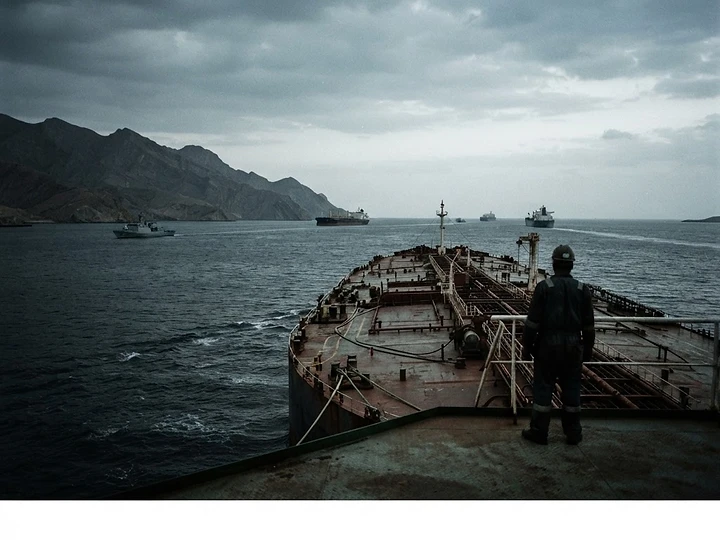
Global crude oil prices rose by more than 1% following a direct rejection by the Trump administration of an Iranian proposal to reopen the Strait of Hormuz. The Strait serves as a critical maritime chokepoint for global energy supplies, and the administration's refusal to engage with the Iranian offer has heightened concerns regarding supply chain stability. This geopolitical friction is the primary driver of current market volatility in the energy sector.
The last 24 hours: a timeline
Early in the day, reports emerged that Iranian officials had proposed a diplomatic pathway to reopen the Strait of Hormuz. By midday, the Trump administration formally rejected the proposal, citing a lack of confidence in the terms offered. Within hours of the administration's announcement, global oil benchmarks responded with a sharp upward trend. By the end of the trading session, analysts noted that the rejection has effectively stalled diplomatic efforts to de-escalate the maritime situation, leaving the Strait's status in a state of continued uncertainty.
What could happen next
Market analysts anticipate continued price volatility as long as the Strait of Hormuz remains a focal point of U.S.-Iran tensions. If the administration maintains its current stance, shipping insurance premiums for vessels traversing the region are likely to increase, further pressuring energy costs. Future developments will depend on whether Iran attempts to escalate its maritime posture or if third-party mediators intervene to restart negotiations. The current trajectory suggests that energy markets will remain sensitive to any further official statements from Washington or Tehran regarding the security of the waterway.
SOURCES — THE RECORD


