
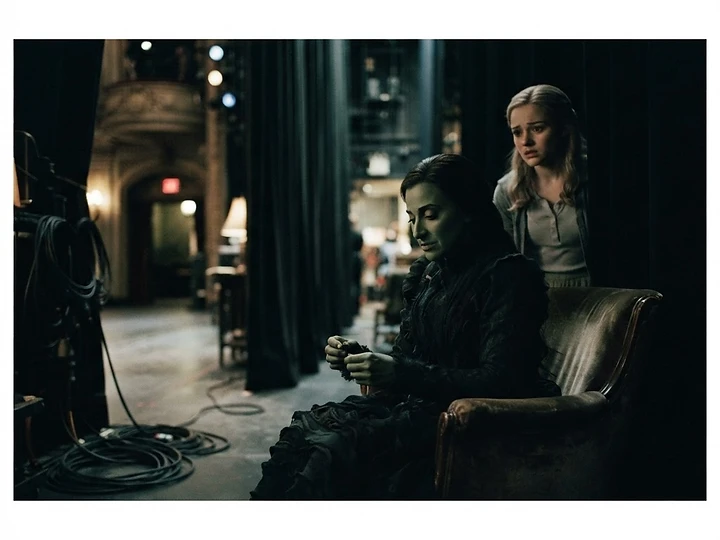
The Cinematic Renaissance of Oz
For decades, the relationship between Broadway and Hollywood was defined by a cautious skepticism. Producers often feared that a film adaptation would cannibalize ticket sales for the stage production, offering a cheaper, more accessible alternative that might render the live experience redundant. However, the unprecedented success of the two-part Wicked film series, culminating in the massive debut of Wicked: For Good, has shattered this paradigm. By leaning into the spectacle of the source material, Universal Pictures has not only created a global box office juggernaut but has also acted as a powerful marketing engine for the original Broadway show.
Beyond the Box Office
With Wicked: For Good pulling in $147 million in its opening weekend and the combined franchise grossing over half a billion dollars, the numbers speak for themselves. Yet, the true cultural impact lies in the synergy between the screen and the stage. Rather than replacing the theater experience, the films have introduced the story of Elphaba and Glinda to a new generation of fans who are now flocking to the Gershwin Theatre. Broadway producers have reported a surge in interest, noting that the films serve as both an introduction for newcomers and a nostalgic touchstone for longtime devotees.
The Marketing Machine
Universal’s strategy for Wicked was nothing short of a masterclass in modern brand management. With a marketing spend that rivaled the biggest superhero blockbusters, the studio utilized over 450 promotional partners to saturate the retail landscape. This wasn't just about selling tickets; it was about embedding the aesthetic of Oz into the daily lives of consumers. By painting the globe pink and green, the campaign created a cultural moment that transcended the cinema, turning the film into a lifestyle brand. This level of commitment suggests that the future of musical adaptations lies in total immersion, where the film is merely the anchor for a much larger, multi-platform experience.
A New Blueprint for Broadway
As we look toward the future of entertainment, the Wicked model provides a clear blueprint for how legacy intellectual property can be sustained. By splitting the narrative into two distinct cinematic events, the studio maintained cultural relevance over a longer period, allowing the conversation to evolve rather than fizzle out after a single release. This strategy has effectively turned a twenty-year-old musical into the most relevant cultural touchstone of the mid-2020s. The success of this endeavor proves that when Hollywood respects the emotional core of a Broadway hit while scaling up the production value, the result is a rare, symbiotic victory for both mediums.


