
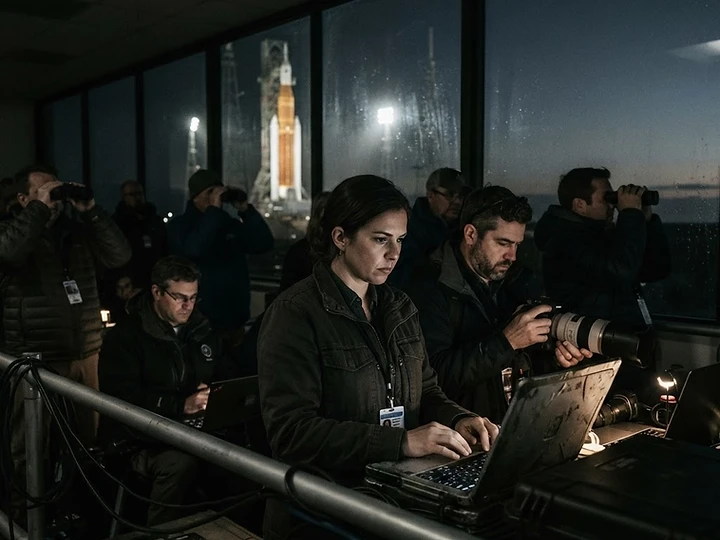
Returning to the Moon
The Artemis II mission represents a pivotal moment in human spaceflight. As the first crewed mission to orbit the Moon in over half a century, it serves as the critical precursor to the eventual return of humans to the lunar surface. The mission is not just a technological achievement; it is a symbolic step toward establishing a sustainable presence in deep space.
The Technological Leap
Unlike the Apollo missions, Artemis II leverages modern computing, advanced life-support systems, and a new generation of launch vehicles. The Space Launch System (SLS) and the Orion spacecraft are designed to push the boundaries of what is possible, providing a platform for scientific research that was previously unattainable. The mission will test these systems in the harsh environment of deep space, paving the way for future missions to Mars.
Global Collaboration
Artemis is a collaborative effort, involving international partners and private industry. This model of cooperation is essential for the long-term viability of space exploration. By sharing the costs and the scientific benefits, the participating nations are creating a framework for a new space economy that transcends national borders.
The Human Element
At the heart of the mission are the astronauts who will venture into the unknown. Their journey is a testament to human curiosity and the drive to explore. As the world watches the countdown, the mission serves as a reminder of our shared potential and the importance of looking beyond our own planet to the vast possibilities that lie ahead.


