
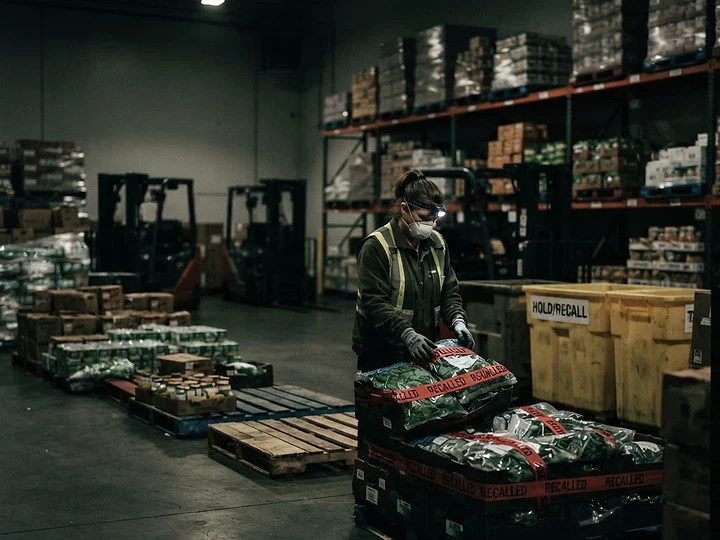
The Fragility of the Food System
In an era of globalized food production, the safety of our dinner plates depends on a complex, interconnected supply chain. Recent widespread recalls have exposed vulnerabilities in this system, ranging from contamination in processing facilities to lapses in cold-chain management. For the average consumer, these headlines are a jarring reminder of the risks inherent in mass-produced food.
Regulatory Oversight in Question
As the frequency of recalls increases, so does the scrutiny on regulatory bodies like the FDA and USDA. Critics argue that current inspection protocols are insufficient to keep pace with the speed and scale of modern food distribution. The challenge lies in balancing the need for rigorous safety standards with the economic realities of a global market that demands efficiency and low costs.
Consumer Empowerment
In the face of these recalls, consumers are becoming more proactive. There is a growing trend toward local sourcing, organic certification, and a deeper interest in the provenance of food products. While these choices are not a panacea, they reflect a broader shift in consumer behavior—a desire for transparency and accountability in the food industry.
The Future of Food Safety
Technological advancements, such as blockchain-based tracking and rapid pathogen detection, offer a path toward a safer food system. By creating an immutable record of a product's journey from farm to table, these tools could significantly reduce the time it takes to identify and contain contamination events. Until then, vigilance remains the best defense for the consumer.


