
The Blockbuster Evolution
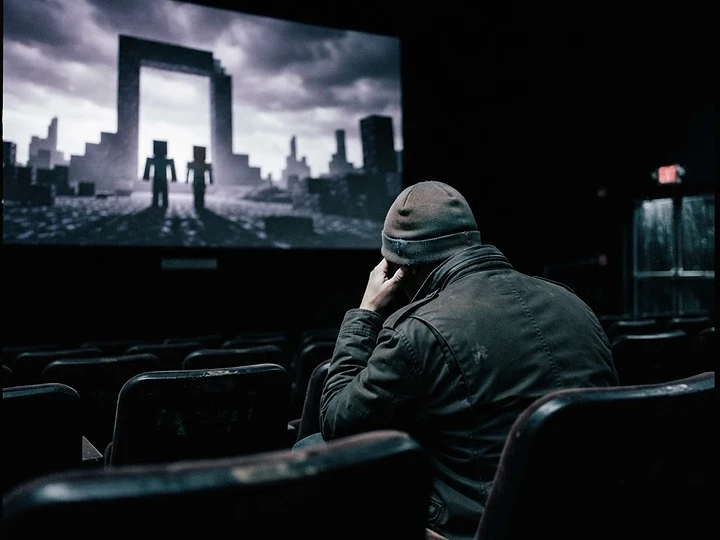
When the first live-action adaptation of the world's best-selling video game hit theaters in April 2025, it was met with a polarized reception that spanned from chaotic theater screenings to critical skepticism. Yet, in the landscape of modern entertainment, box office performance often defies critical consensus. Today, as we look toward the late 2026 horizon, it is clear that Mojang Studios is not merely content with a single film; they are architecting a full-scale cinematic and interactive universe.
From Pixels to Sequels
The recent confirmation of A Minecraft Movie Squared has solidified the franchise's intent to dominate the streaming and theatrical charts. By retaining key talent like Jack Black, Jason Momoa, and Danielle Brooks, while introducing Kirsten Dunst as Alex, the studio is signaling a commitment to continuity. This isn't just a sequel; it is a strategic expansion designed to keep the Minecraft brand at the forefront of cultural discourse, bridging the gap between the core gaming experience and the silver screen.
The Synergy of Gaming and Film
What makes this moment particularly distinct is the aggressive synchronization between game development and film production. With the upcoming release of Minecraft Dungeons II on September 29, 2026, and the continued success of the film on global streaming platforms, Mojang is creating a feedback loop. Players are no longer just consumers of a game; they are participants in a transmedia ecosystem. The "Chaos Cubed" update and the subsequent fall 2026 content drops suggest that the studio is leveraging the same narrative momentum that drives their film projects to keep the base game feeling fresh and essential.
The Cultural Impact of the Minecraft Brand
Despite the initial "theater chaos" that defined the first film's release, the brand has proven remarkably resilient. The transition from a niche sandbox game to a global entertainment powerhouse is complete. As the industry watches the performance of A Minecraft Movie Squared in development, the question remains: can a franchise built on the freedom of player creativity successfully translate into a rigid, linear cinematic narrative? The answer, according to current streaming metrics and engagement data, is a resounding yes. The audience is not looking for high-art cinema; they are looking for an extension of the world they have spent over a decade building. As we move into the final quarter of 2026, the Minecraft industrial complex shows no signs of slowing down, proving that in the world of modern entertainment, the blocks are here to stay.


