
Why this is trending right now
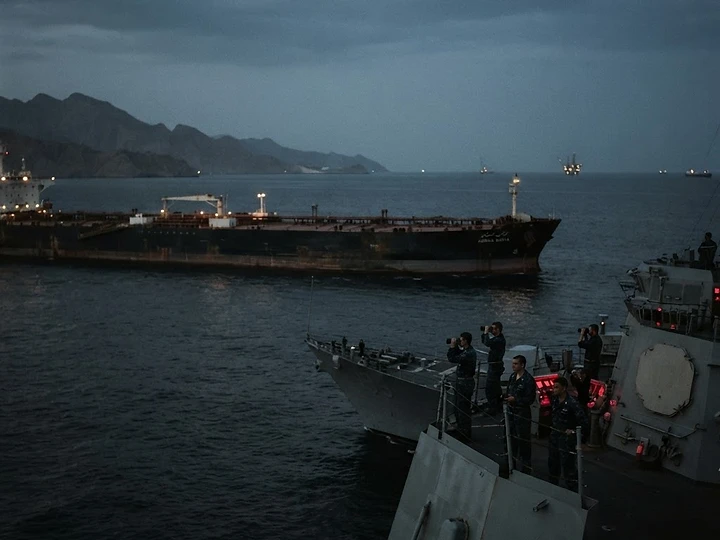
Crude oil prices surged to a six-week high following military conflict in regional shipping lanes where the U.S. military destroyed five Iranian oil tankers after an attempted strike on an American warship, according to coverage by CNBC Consumer & Retail and CNBC Technology News. The rapid escalation drove search queries related to energy benchmarks, maritime transit security, and retail fuel supply chains.
Energy commodity desks moved quickly to price in higher maritime transit insurance premiums and operational detours across critical passage points. Commercial shipping operators suspended several standard transit corridors pending security assessments, triggering swift market adjustments in downstream energy logistics.
The last 24 hours: a timeline
- 02:00 UTC: U.S. naval forces engaged and neutralized five Iranian oil tankers following an aggressive approach and attempted targeting of an American naval ship.
- 06:00 UTC: Defense statements verified the exchange, prompting automated commodity trading systems to push Brent and West Texas Intermediate contracts sharply upward.
- 09:30 UTC: European trading desks absorbed early price shocks, with regional energy stocks rising in tandem with crude benchmarks.
- 13:00 UTC: Global search interest spiked internationally, led by queries in Singapore, the United Arab Emirates, and the United States concerning tanker transit rates and retaliatory risks.
- 17:00 UTC: Maritime transport insurance syndicates announced revised risk premiums for cargo carriers traversing adjacent waters, cementing the upward pressure on energy delivery costs.
What could happen next
Maritime insurance syndicates will mandate higher war-risk surcharges on commercial hulls operating near key straits. The empirical ground for this outcome is the established pricing formula insurers implement immediately following documented strikes on commercial and naval vessels.
Furthermore, sovereign energy consumers will likely increase strategic petroleum purchases if tanker availability tightens over consecutive shipping cycles. Should additional naval confrontations unfold, consumer retail fuel pricing will register localized inflationary spikes across major importing economies within two to three weeks.
SOURCES — THE RECORD
- U.S. military destroys five Iranian oil tankers after attempted attack on American warshipCNBC · cnbc.com
- Oil prices rise to 6-week high after Iran and U.S. trade blowsCNBC · cnbc.com
- OECD Weekly Tracker of Economic Activity and Global TrendsOECD · trends.google.com