
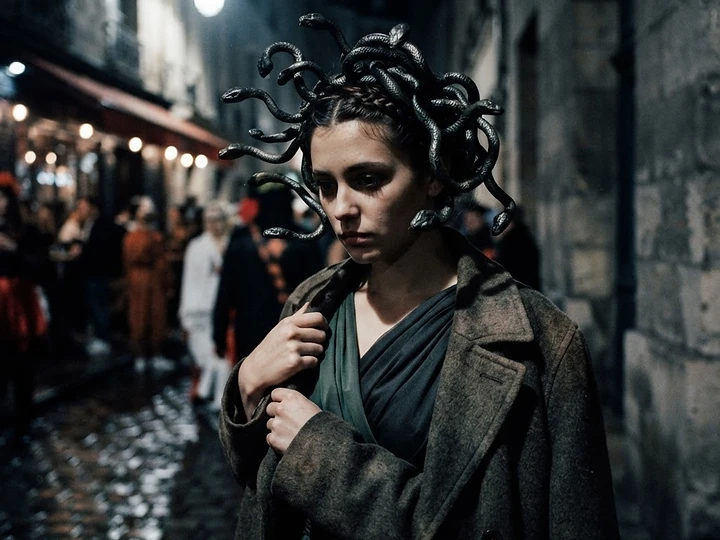
The Mythological Takeover
In the landscape of modern pop culture, Halloween costumes often serve as a barometer for the collective consciousness. This year, the trend cycle has bypassed the usual parade of fleeting internet memes to settle on a figure as ancient as history itself: Medusa. According to recent search data, the Gorgon has officially eclipsed contemporary celebrity tributes and viral character tropes to become the most sought-after aesthetic for the 2026 spooky season.
Why Medusa Now?
Cultural analysts suggest that the resurgence of Medusa is not merely a coincidence but a reflection of a broader shift toward 'dark academia' and mythological empowerment. Unlike the hyper-specific pop culture references that defined 2025—such as the elusive Labubu dolls or the K-Pop Demon Hunters craze—Medusa offers a versatile canvas. It allows for a blend of high-fashion editorial styling and DIY creativity. The aesthetic, characterized by serpentine headpieces, metallic accents, and dramatic, stone-cold makeup, fits perfectly into the current social media appetite for 'main character' energy.
The Anatomy of a Trend
What makes this particular trend fascinating is its accessibility. While previous years saw fans scrambling for expensive, licensed merchandise, the Medusa look is inherently modular. Retailers have noted a massive spike in sales for gold leaf, faux snakes, and Grecian-inspired drapery. This 'do-it-yourself' nature has fueled its growth on platforms like TikTok and Instagram, where users are sharing tutorials on how to craft the perfect snake crown. It is a rare moment where high-fashion runway inspiration meets the accessibility of a craft store, creating a perfect storm for mass adoption.
Beyond the Costume
This trend also speaks to a deeper cultural fatigue. After years of being bombarded by rapid-fire digital content and ephemeral viral moments, there is a palpable desire for archetypal storytelling. Medusa represents a powerful, misunderstood figure—a narrative that resonates deeply with Gen Z and Millennial audiences who are increasingly drawn to reclaiming 'villain' narratives. As we move toward the end of 2026, the Gorgon stands as a testament to the enduring power of classical mythology in a digital age. Whether it is the allure of the stone-gaze or the sheer visual impact of the serpent-adorned silhouette, one thing is certain: this Halloween, the streets will be filled with those who have chosen to turn the world to stone.


