
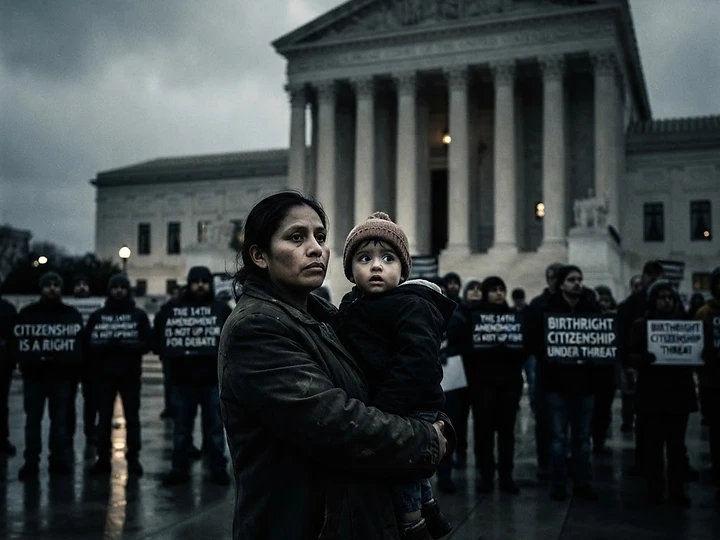
A Constitutional Flashpoint
Recent judicial developments concerning birthright citizenship have reignited one of the most contentious debates in American constitutional law. At the heart of the issue is the interpretation of the Citizenship Clause of the 14th Amendment, which grants citizenship to all persons born or naturalized in the United States and subject to the jurisdiction thereof.
The Judicial Shift
Critics of the current interpretation argue that the phrase 'subject to the jurisdiction thereof' was intended to exclude children of individuals who are not legal residents. Proponents of the status quo maintain that the amendment was specifically designed to overturn the Dred Scott decision and ensure that citizenship is a birthright, regardless of the parents' legal status. The recent ruling has created a legal gray area, prompting immediate appeals and widespread public discourse.
Societal Implications
Beyond the courtroom, the implications of this debate are profound. Millions of individuals could potentially be affected by a shift in policy, impacting everything from social services to political representation. The uncertainty surrounding the ruling has left many families in a state of anxiety, while political factions are already positioning themselves for a protracted legal battle that could reach the Supreme Court.
The Path Forward
As the legal community dissects the nuances of the ruling, the broader public is left to grapple with the fundamental question of what it means to be an American. This debate is not merely about legal definitions; it is about the values of inclusion and the historical legacy of the Constitution. The coming months will be critical as the judiciary navigates this complex and deeply divisive issue.


