
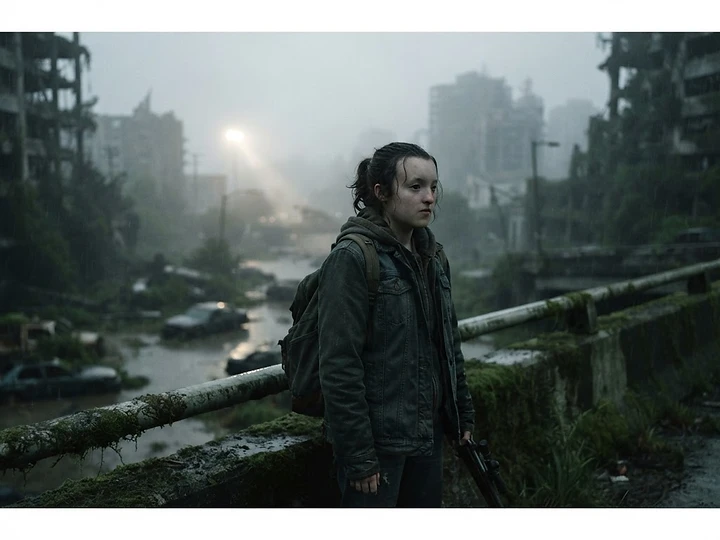
A New Chapter in the Fungal Wasteland
The return of The Last of Us to HBO Max has been one of the most anticipated television events of the year. Picking up five years after the harrowing conclusion of the first season, the series wastes no time in re-establishing the brutal, unforgiving reality of its world. While the first season was defined by the burgeoning bond between Joel and Ellie, the second season pivots toward the inevitable consequences of their past choices, creating a narrative tension that feels both intimate and apocalyptic.
The Evolution of Joel and Ellie
Pedro Pascal and Bella Ramsey return to their iconic roles, but they are not the same characters we left behind. The five-year time jump is palpable; Ellie is no longer the wide-eyed teenager navigating a new world, but a hardened survivor grappling with the weight of her own agency. Joel, meanwhile, is haunted by the moral compromises he made to keep her safe. This shift in dynamic is the heartbeat of the new season, moving away from the 'road trip' structure of the debut and into a more claustrophobic, character-driven exploration of trauma and retribution.
Expanding the World
The introduction of new cast members, including Kaitlyn Dever as Abby and Jeffrey Wright as Isaac, signals a significant expansion of the show's moral landscape. By bringing in characters who exist outside the immediate orbit of Joel and Ellie, the showrunners are successfully challenging the audience's perspective on who the 'heroes' of this world truly are. The inclusion of Catherine O'Hara as Gail adds a layer of gravitas that grounds the more fantastical elements of the Cordyceps infection in genuine human desperation.
A Masterclass in Dystopian Atmosphere
Visually, the series continues to set the gold standard for prestige television. The production design, which captures the slow reclamation of human infrastructure by nature, remains hauntingly beautiful. However, it is the pacing that truly distinguishes this season. By allowing the quiet, character-focused moments to breathe before erupting into the visceral, high-stakes action sequences that fans expect, the show maintains a relentless sense of dread. It is a rare example of a sequel that manages to deepen the thematic resonance of its predecessor without losing the kinetic energy that made it a cultural phenomenon in the first place. As the season progresses, it is clear that the stakes have never been higher, and the cost of survival has never been more personal.


